Professor Karen O’Brien, Vice-Chancellor and Warden, Durham University, a key partner in the World Heritage Site Partnership, said: “Durham has a long, rich history of learning and cultural excellence. This additional UNESCO recognition ensures that this legacy will continue long into the future.
“We will work with partners locally and globally so that everyone in our city and region can access education, learning and skills opportunities and the life-changing benefits they bring.”
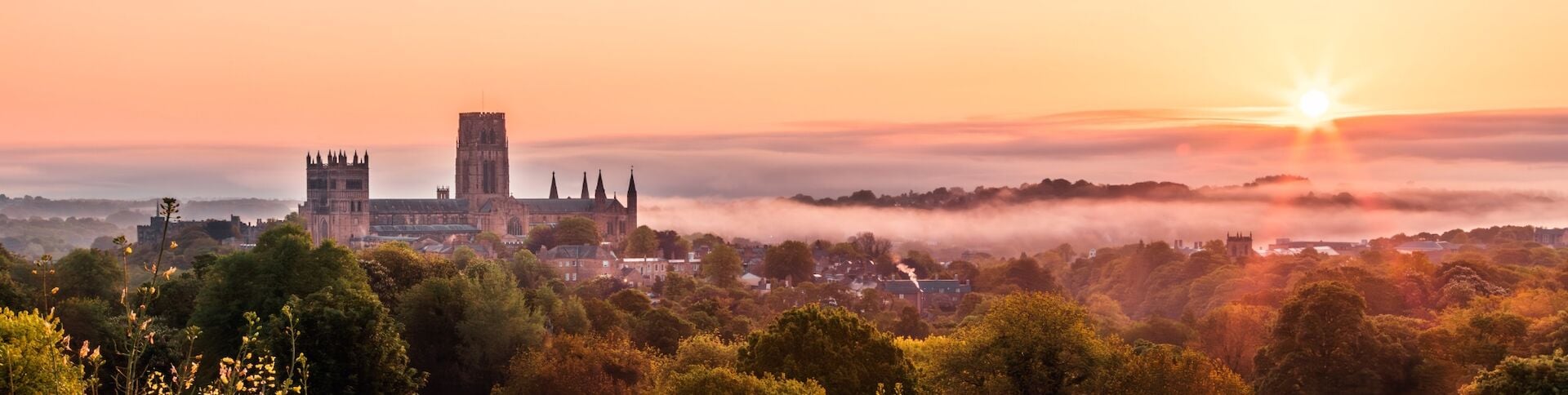
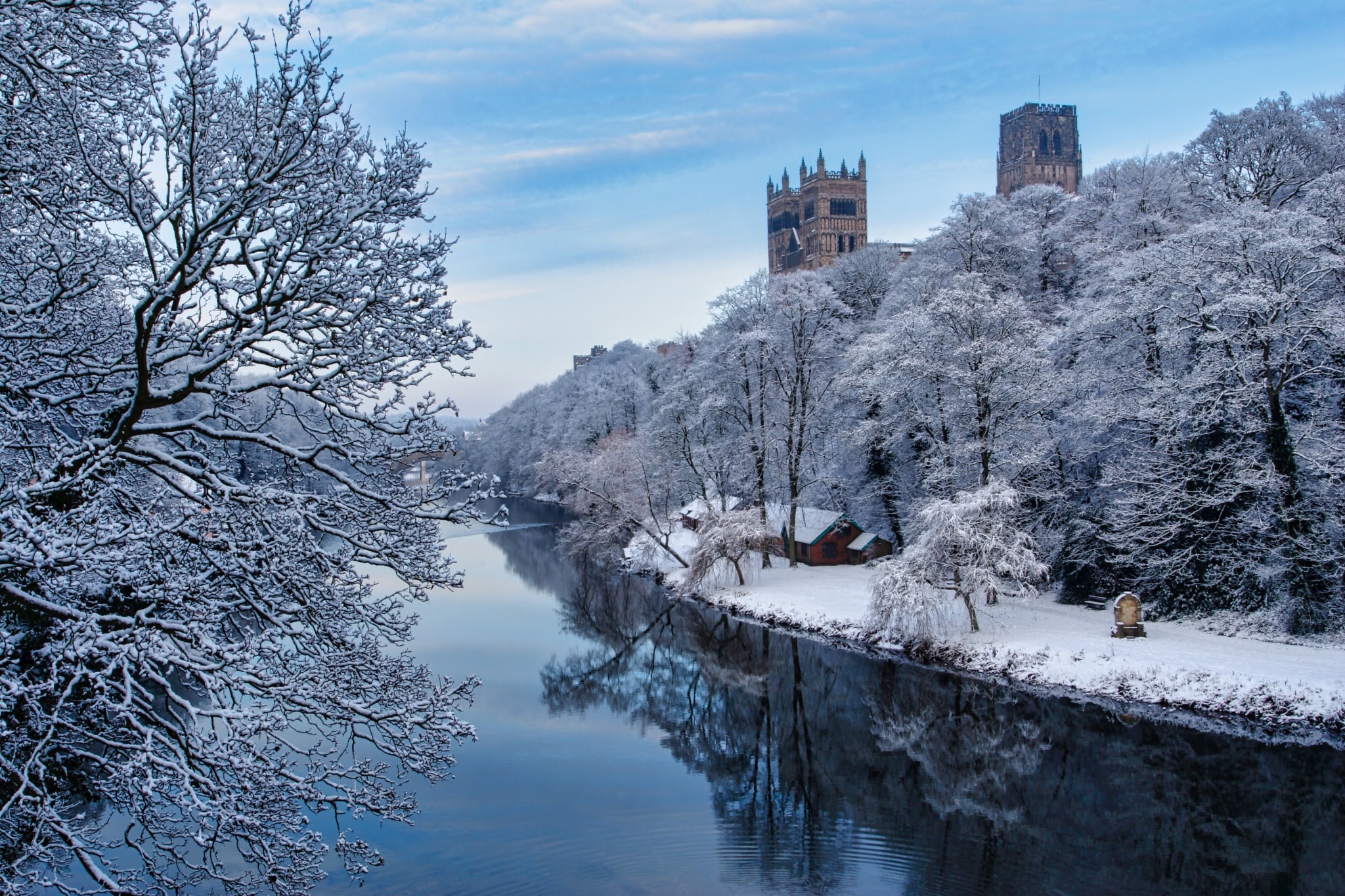
Dr Anne Allen, Durham World Heritage Site Manager, on behalf of the World Heritage Site Partnership, said: “Becoming a Learning City is partly about recognising learning that takes place outside the classroom through festivals, exhibitions and events. In 2026, which marks 40 years as a World Heritage Site, we look forward to working with community partners including Durham Fringe, Redhills and The Story at Mount Oswald to celebrate Durham’s story for new generations.”
Andrew McIntyre, CEO, Redhills, said “The UNESCO announcement is very timely for Redhills. Durham Miners’ Hall has long been a centre for continued learning. We will continue to build on that tradition by putting our heritage and culture centre stage. We are delighted to be part of the broad partnership which has gained this important recognition.”
Maria Baranowska, Festival manager at Durham Fringe, said: “We consider ourselves incredibly lucky to deliver our festival against the backdrop of the city's remarkable world heritage site. It's a huge draw for the national and international performers who engage with us every year. Many young residents participate in and volunteer at the festival. They become immersed in the heritage that surrounds them, learn about the history and heritage and build a sense of belonging to the city where they live, work, and spend their time.”
Mark Stamper, Durham County Council’s head of inclusive growth and partnerships, said: “This is an incredible achievement for Durham and demonstrates the contribution our city makes to learning and development while honouring our culture and heritage.”
“Working with partners, we have delivered some impactful projects which have created opportunities for growth, improved wellbeing, and connected our communities. We are pleased that Durham has been chosen as one of the cities to receive Learning City status, and we look forward to expanding our partnership work and building the vibrancy of our city.”
Andrew Broadbent, Principal and Chief Executive, New College Durham, said: “We are absolutely delighted that New College Durham, alongside the Durham Learning Alliance and such an inspiring group of partners, is part of this nationally and internationally significant milestone. The confirmation of Durham’s commitment to lifelong learning through UNESCO recognition is a powerful endorsement of the collective ambition, collaboration and innovation across Durham.”
Overall, the UNESCO Global Network of Learning Cities supports lifelong learning opportunities for nearly 500 million people in 425 cities across 91 countries.
Professor Anne Anderson, Chair, UK National Commission for UNESCO, said:
“On behalf of the UK National Commission I am delighted to welcome Durham as a new UK City of Lifelong Learning. Home to a UNESCO World Heritage Site and more than 22,000 students the city has been recognised as an outstanding place for education as well as cultural and environmental engagement.”
Hull joins Durham in the latest round of Learning City designations, co-ordinating across its leading programmes of Hull Maritime, its March STEAM learning festival ‘Colliderfest’, and supporting its ambition to become a UNESCO Creative City.