The newly inscribed collections span more than seven centuries, from medieval civic records and the foundation of one of Scotland’s oldest universities to pioneering archives of mental health care, industrial innovation and women-led anti-slavery campaigning.
Together, they reveal the breadth of the UK’s documentary heritage and its continuing importance for understanding the people, ideas, institutions and movements that have shaped society.
The UNESCO Memory of the World Programme recognises archives, manuscripts, records and other documentary collections of outstanding significance. Often described as the documentary heritage counterpart to World Heritage, the Programme raises awareness of the need to preserve these records and make them accessible to present and future generations.
The five newly inscribed collections are:
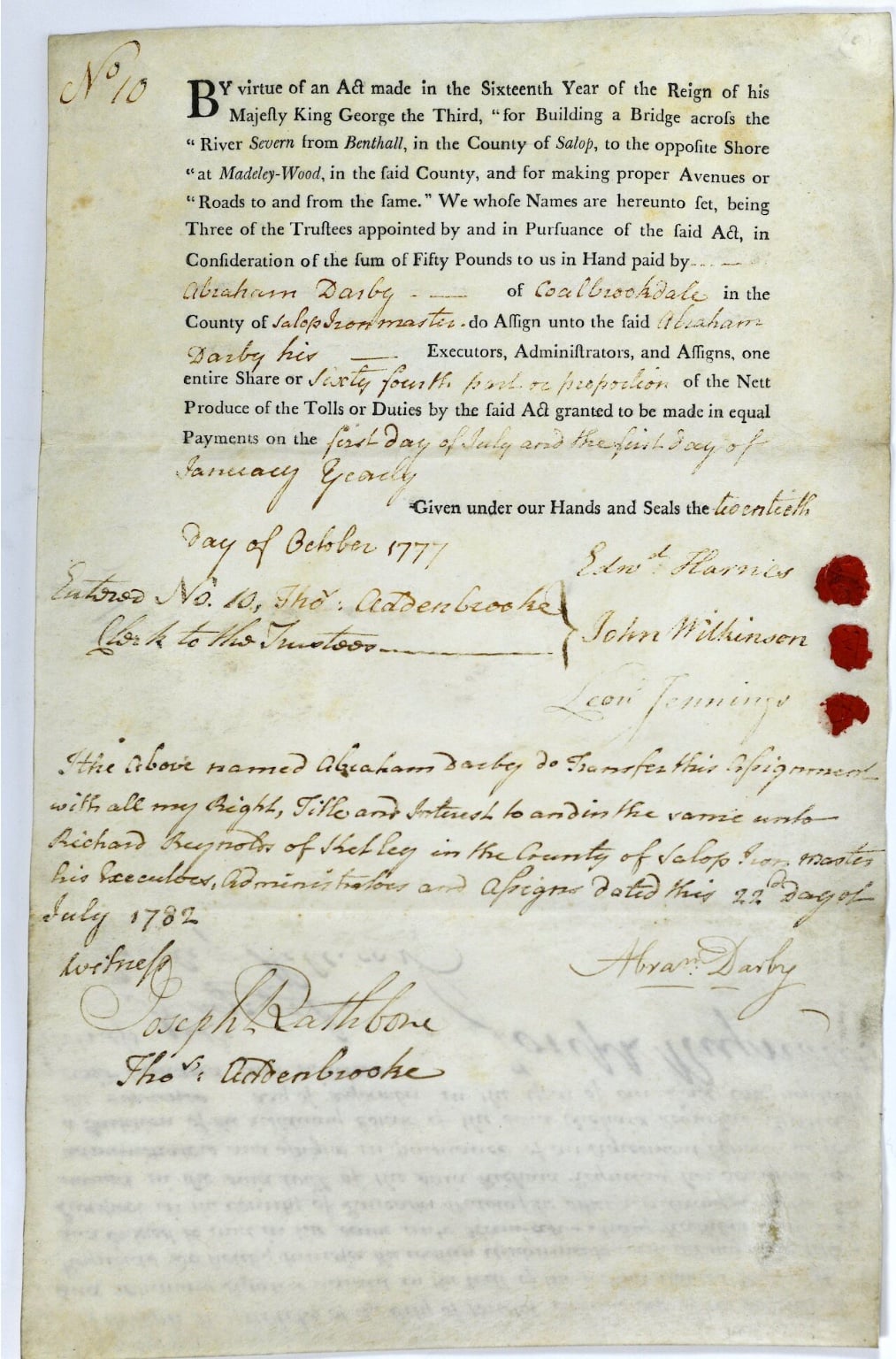
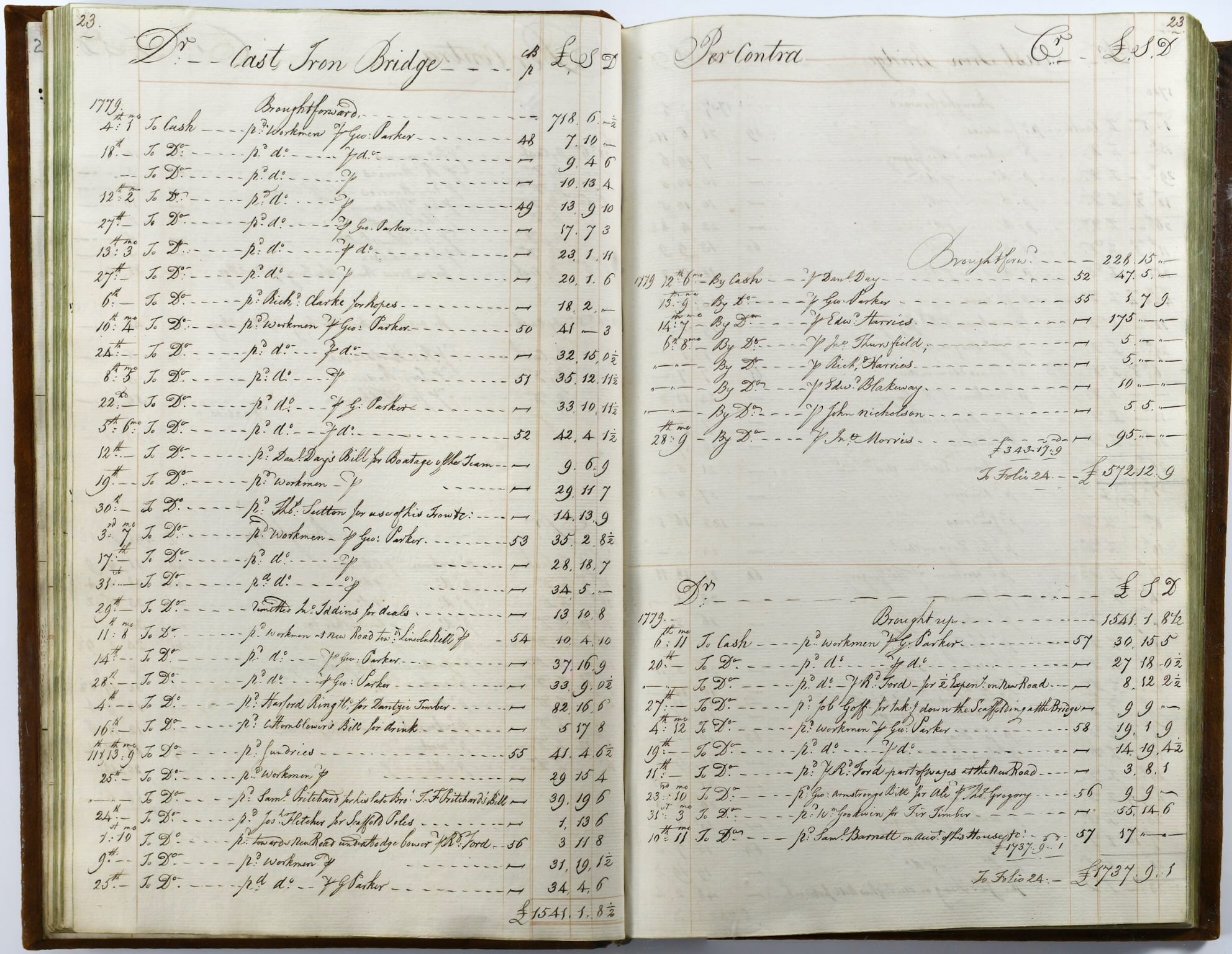
- Documentary Heritage Relating to the Building of the Iron Bridge, Shropshire 1771–1781
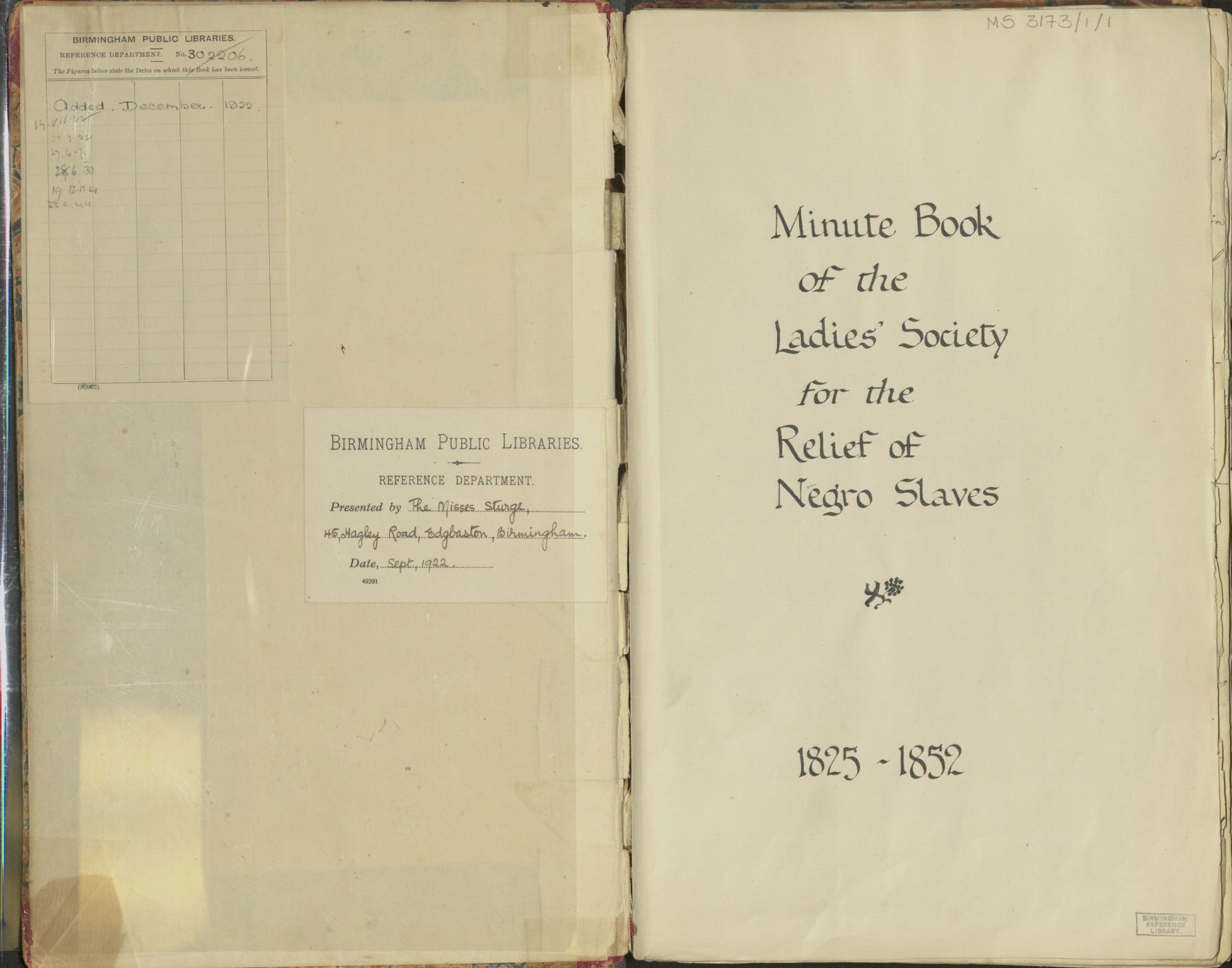
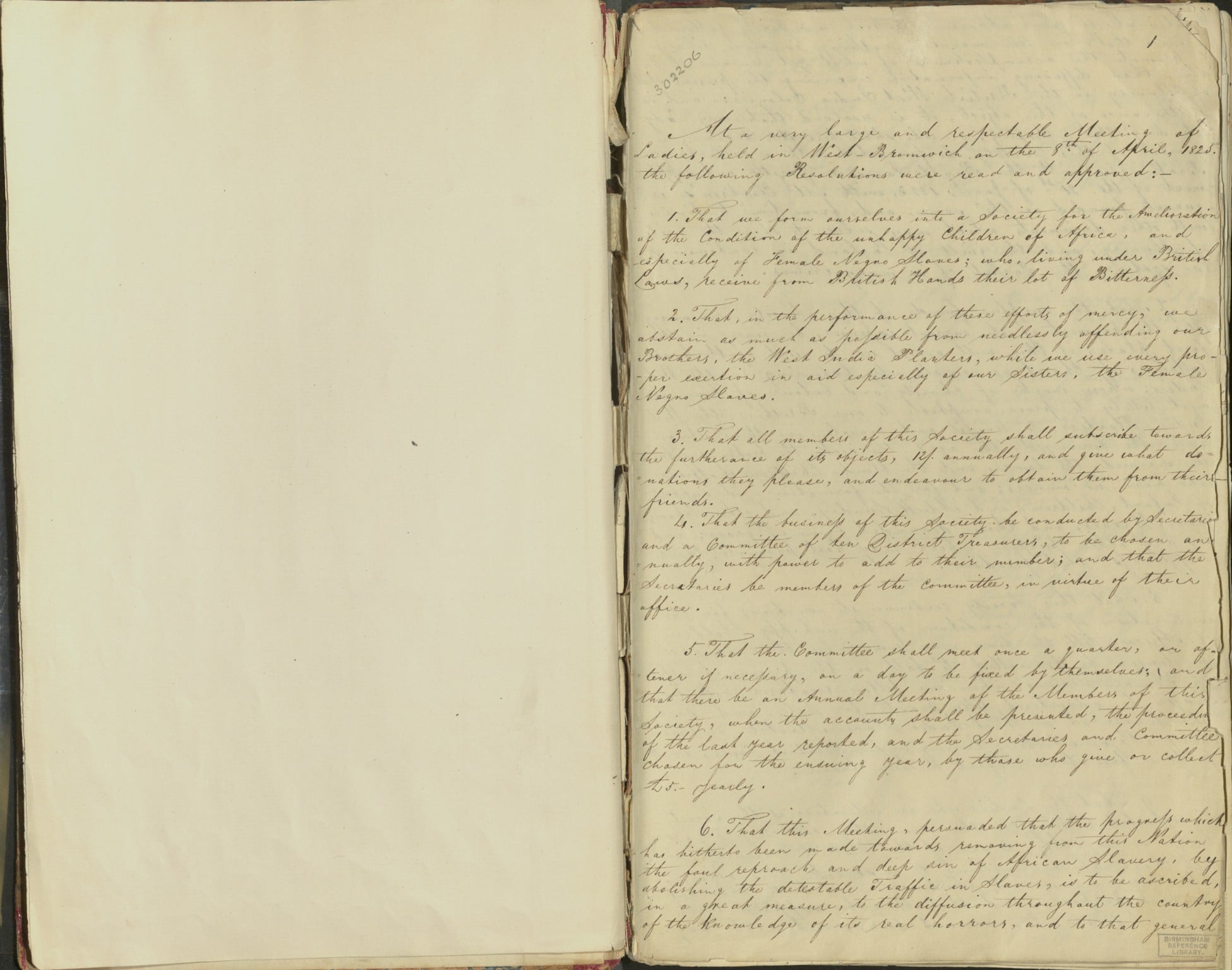
- Records of the Birmingham Ladies’ Negro’s Friend Society for the Relief of Negro Slaves 1822–1919
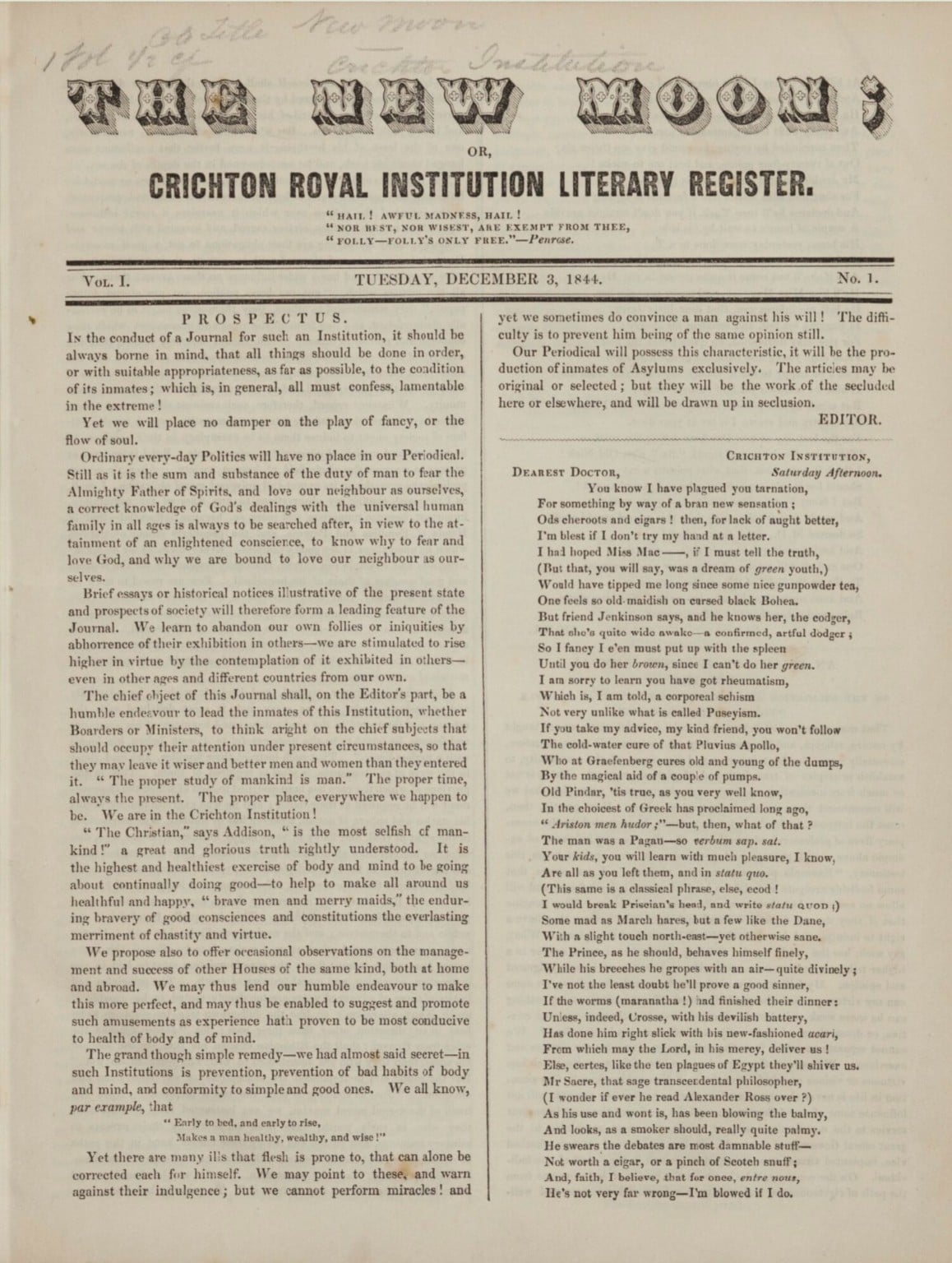
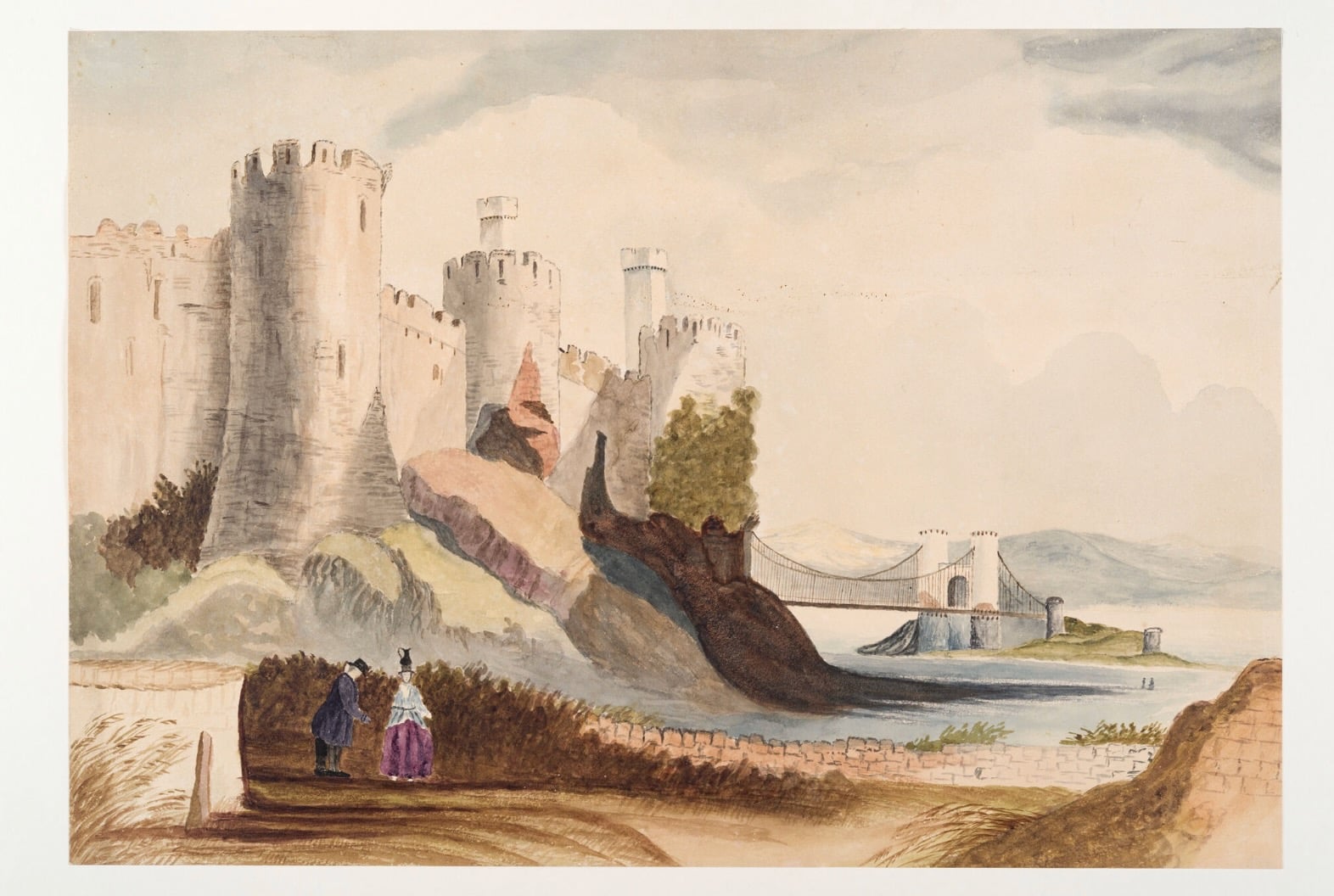
- The Crichton Royal Institution and Creative Therapy 1838–1879
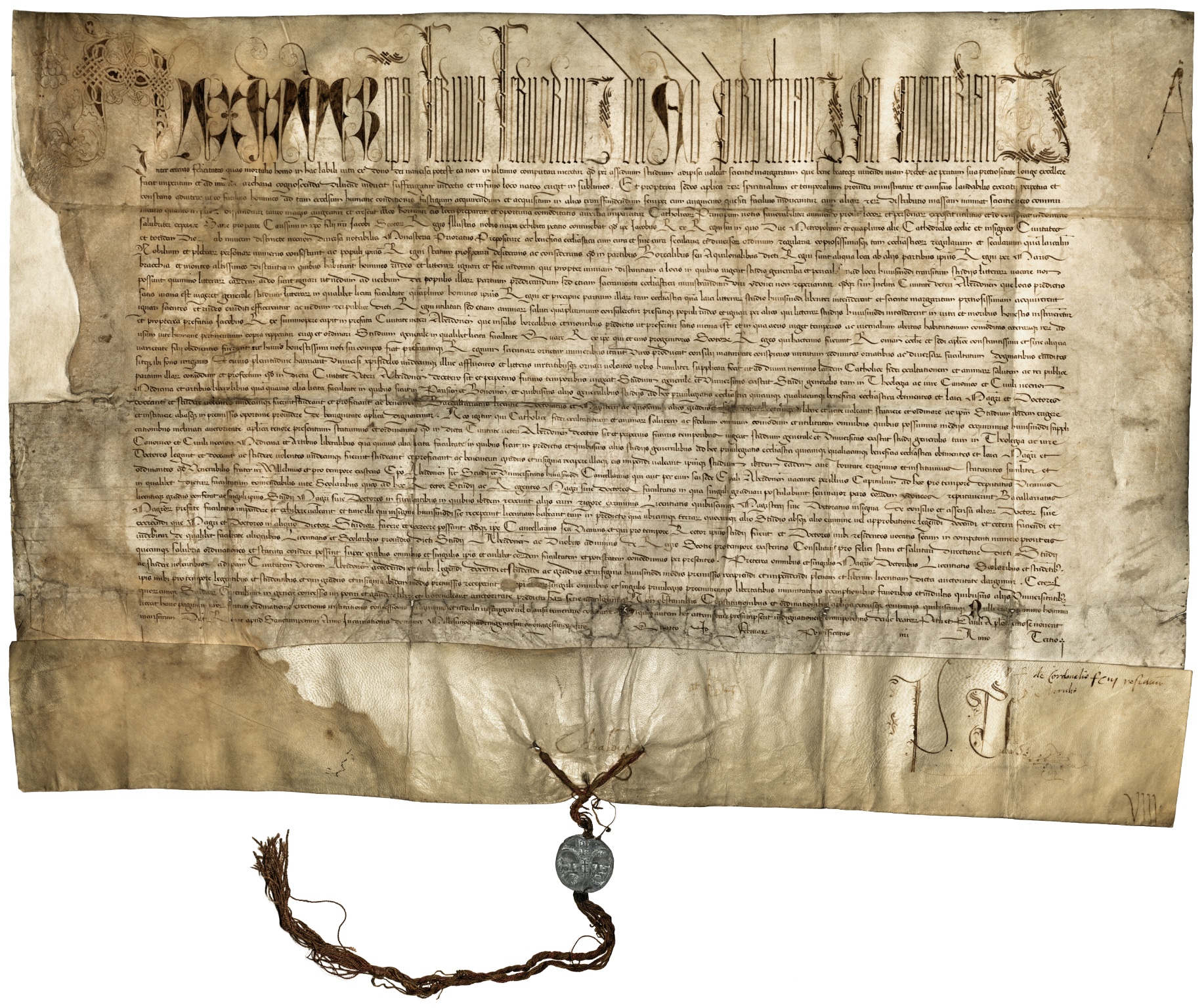
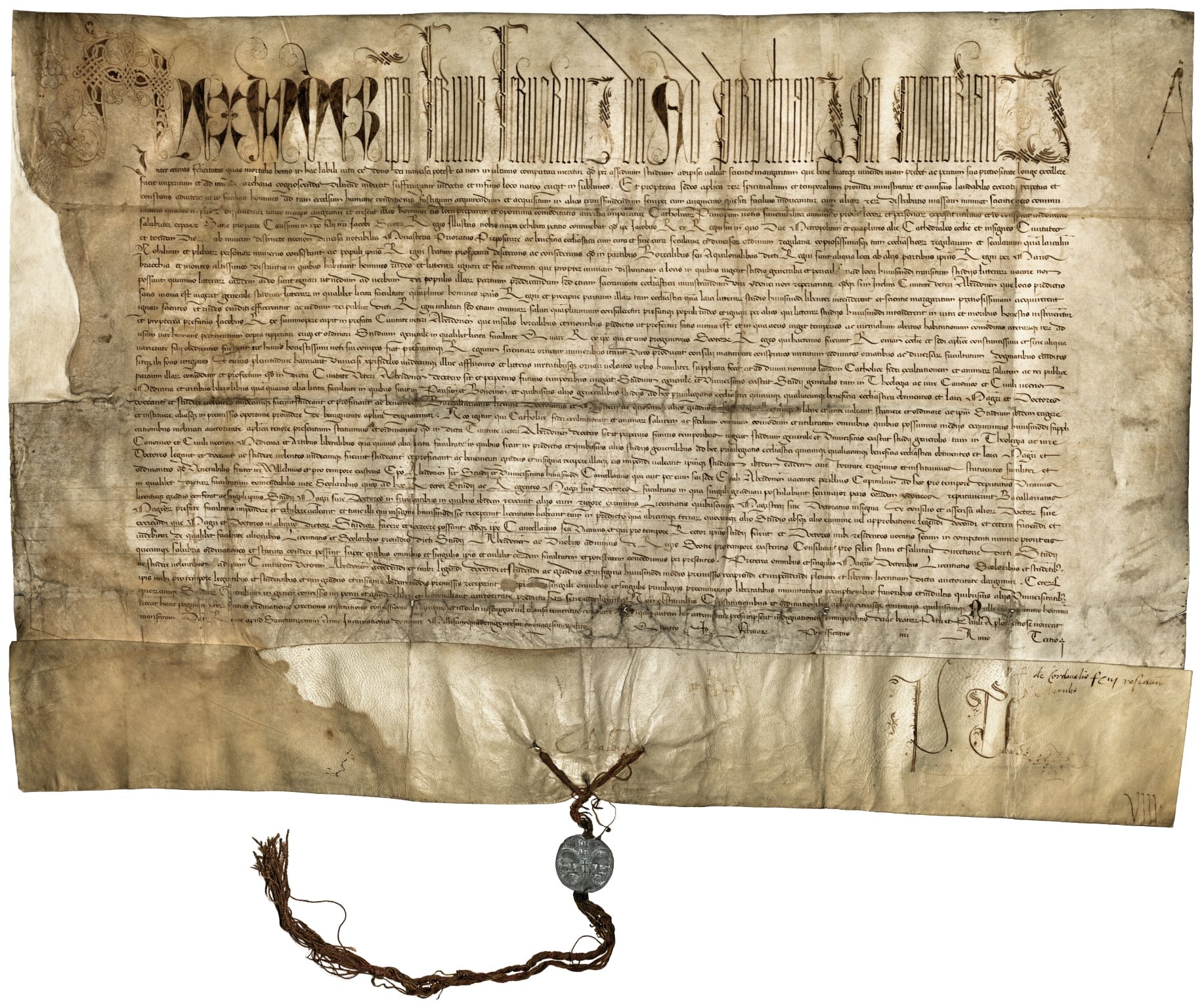
- The Foundation Papal Bull of the University of King’s College, Aberdeen, 1495
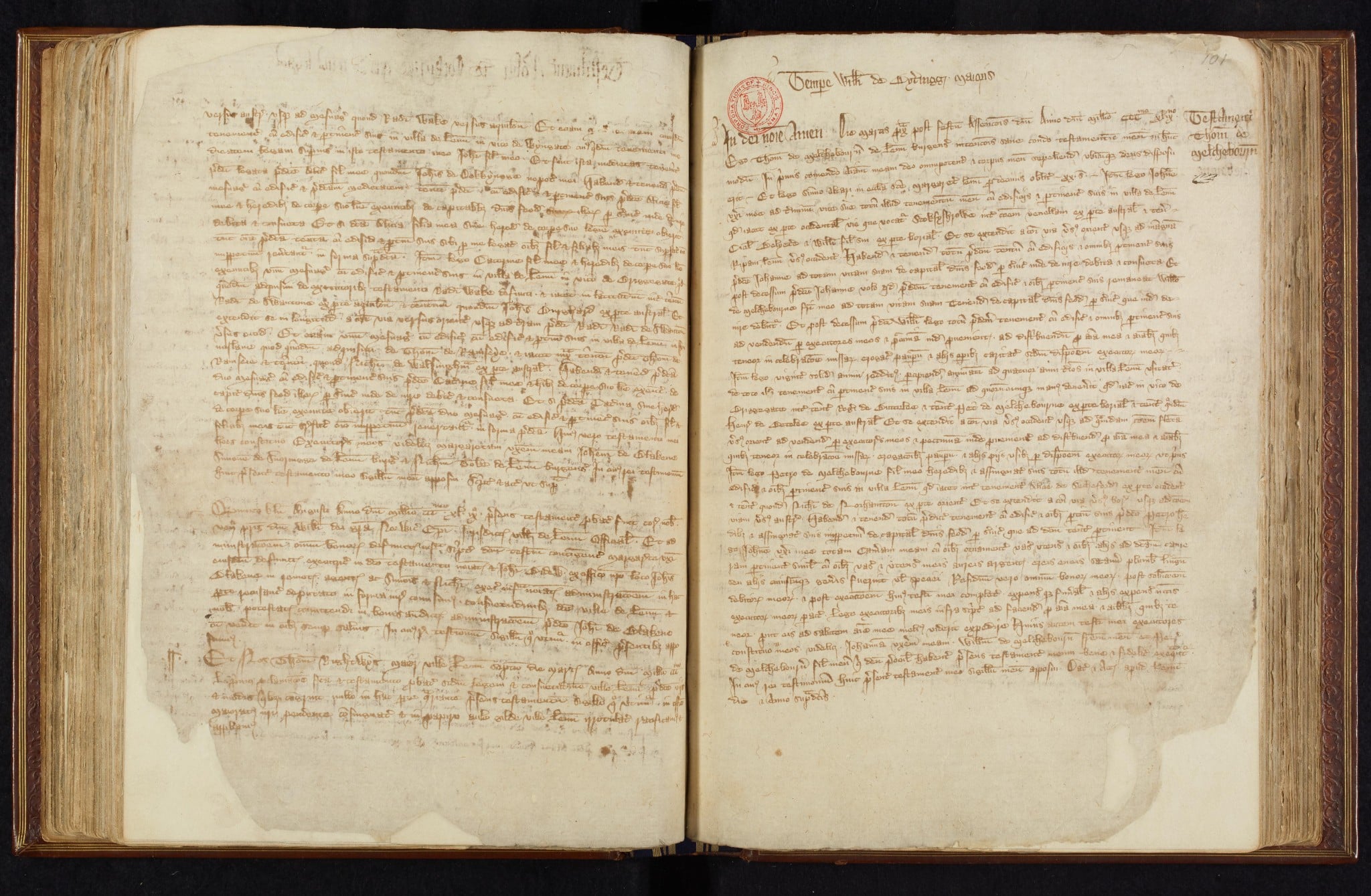
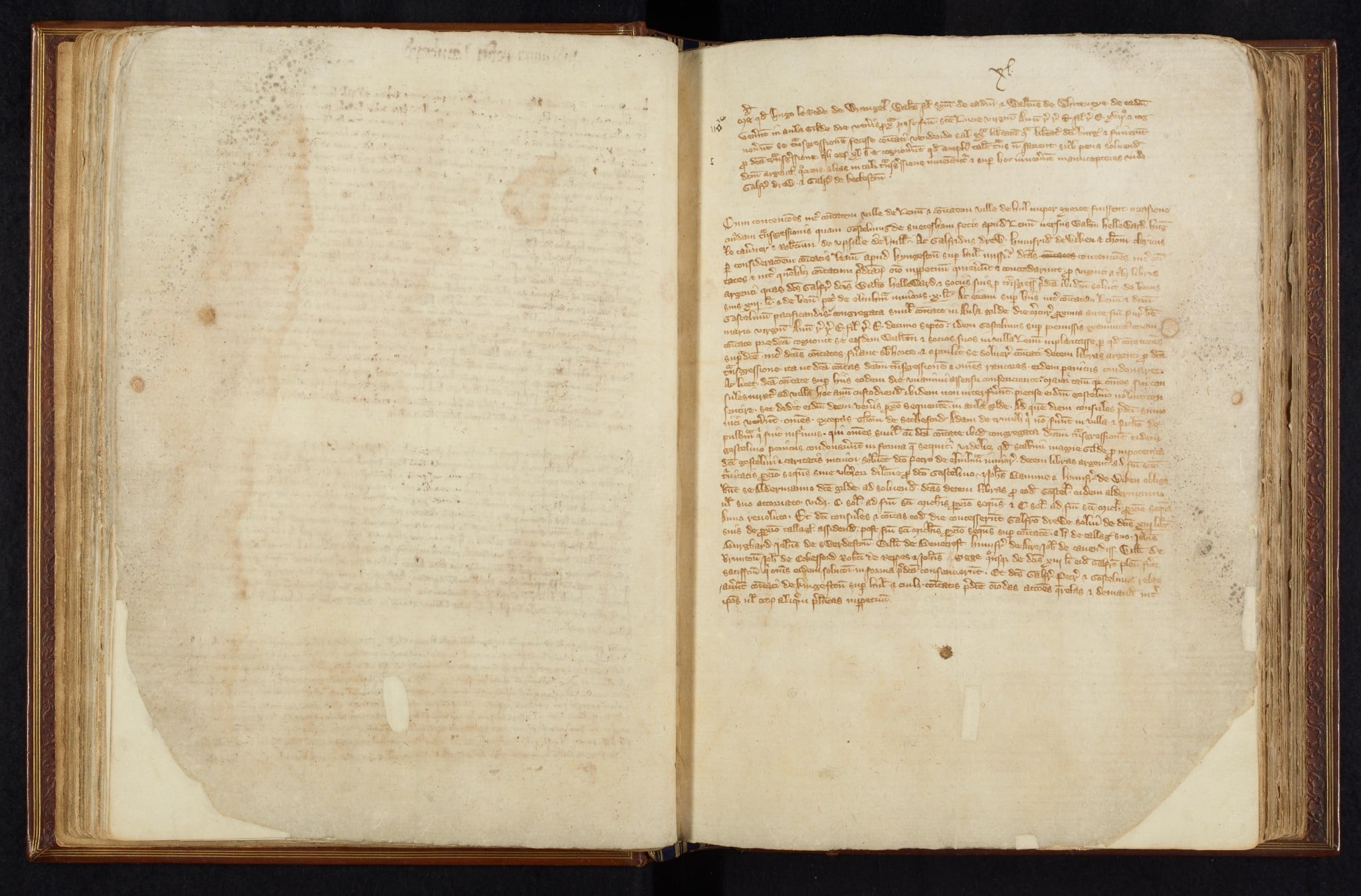
- The Red Register of King’s Lynn 1300–1395
Rachel Hosker, Chair of the UK Memory of the World Committee, said:
“These five collections demonstrate the extraordinary richness and diversity of the United Kingdom’s documentary heritage. From medieval civic life and the foundation of higher education in Aberdeen to industrial innovation, abolitionist campaigning and pioneering approaches to mental health care, each collection offers a unique insight into the people, ideas and movements that have shaped society.
“Their inscription onto the UK Memory of the World Register recognises both their national significance and the importance of preserving them and making them accessible for present and future generations.”
The UK Memory of the World Register includes some of the country’s most treasured documentary heritage, including the Domesday Book, the Shakespeare Documents, the personal archive of Sir Winston Churchill and the Charles Darwin Archive. These five new inscriptions now join that distinguished list, underlining their national significance and their wider value to the story of human civilisation.
About the newly inscribed collections
Documentary Heritage Relating to the Building of the Iron Bridge, Shropshire
Holding institution/partners: National Trust
Location: Coalbrookdale, Shropshire, England
Date range: 1771-1781
This collection documents the financial and practical foundations of the Ironbridge, erected over the River Severn in 1779 under the direction of Abraham Darby III. As the first wholly cast-iron bridge in the world, it marked a turning point in design and engineering. The inscribed documents include an estimate for the bridge, a share certificate issued to Darby, and his ledger, recording the investors, suppliers, costs and timeline behind one of the defining achievements of the Industrial Revolution.
Sarah Roberts, Archivist, National Trust, Ironbridge, said:
“We are delighted that these documents have been recognised by UNESCO in this way. This collection shines a spotlight on the vision, innovation and ambition shared by Abraham Darby III and Thomas Farnolls Pritchard, whose revolutionary ideas were to prove truly world-changing.”
Discover
Records of the Birmingham Ladies’ Negro’s Friend Society for the Relief of Negro Slaves
Holding institution/partners: Library of Birmingham / Birmingham Archives
Location: Birmingham, England
Date range: 1822-1919
Founded in 1825, the Birmingham Ladies’ Negro’s Friend Society was the first female anti-slavery society in the United Kingdom. Its records document nearly a century of campaigning, including minute books, annual reports, ledgers, cashbooks and albums of anti-slavery literature. The collection is an exceptional record of women’s political organisation, abolitionist campaigning and the long struggle for human rights and racial equality.
Nicola Crews, Archivist, Library of Birmingham, said:
“It is a real privilege to have the records of the first female anti-slavery society inscribed on the register. It is a truly fitting way to honour the extraordinary work of these women and the Society following the bicentennial year of its inaugural meeting.”
Discover
The Crichton Royal Institution and Creative Therapy 1838–1879
Holding institution/partners: Dumfries and Galloway Council Heritage Service, NHS Dumfries and Galloway, and The Crichton Trust
Location: Dumfries, Scotland
Date range: 1838-1879
This collection records a pioneering chapter in the history of mental health care at the Crichton Royal Institution in Dumfries. It includes The New Moon Magazine 1844-1857, one of the first and longest-running asylum magazines in the world, written and printed by patients; the Crichton Royal Institution Scrapbook 1838–1938; and early patient artwork from 1843-1867. Together, these materials provide an extraordinary record of creative, patient-centred approaches to mental health care in the nineteenth century.
Councillor Stephen Thompson, Dumfries and Galloway Council Leader, said:
“Recognition by UNESCO is of great significance for Dumfries and Galloway. The Crichton Archive captures a remarkable part of our region’s heritage - one rooted in individual experiences, innovation and a long-standing commitment to understanding and supporting mental health.”
Discover
The Foundation Bull of the University of Aberdeen, 1495
Holding institution/partners: University of Aberdeen
Location: Aberdeen, Scotland
Date: 10 February 1495
Dated 10 February 1495, the Foundation Bull granted permission for James IV of Scotland to establish a university in Old Aberdeen. Largely composed by William Elphinstone, Bishop of Aberdeen, it set in motion the creation of King’s College and helped shape the development of higher education in Scotland. The document reflects wider ambitions for legal, educational and religious reform, and remains central to the history of the University of Aberdeen, the city and the Scottish Renaissance.
Professor Peter Edwards, Principal and Vice-Chancellor of the University of Aberdeen
“We are delighted that our University’s Papal Bull has been recognised with inscription on the UNESCO UK Memory of the World Register. This important document records how the University came into being and shows how Elphinstone argued that a higher education institute in Aberdeen would have a huge influence on Scotland, northern Europe and beyond.”
Discover
The Red Register of King’s Lynn
Holding institution/partners: Norfolk Record Office / Borough Council of King’s Lynn & West Norfolk
Location: King’s Lynn, Norfolk, England
Date range: c.1300-1395
Dating from around 1300 to 1395, the Red Register of King’s Lynn is reputedly the earliest surviving archival paper book in England. It contains the core records of the borough’s government for much of the fourteenth century, including civic memoranda, wills and deeds. As a record of one of medieval England’s most important ports, it offers an exceptional window into urban governance, international trade and everyday life in the Middle Ages.
Simon Ring, Deputy Leader and Cabinet Member for Business, Borough Council of King’s Lynn & West Norfolk, said:
“This richly-layered volume offers a fascinating window into 14th-century life, highlighting the significance of Bishop’s Lynn — now King’s Lynn — as a thriving trading centre with early access to innovations like paper.”
Discover