April 30th 2026, by Matt Rabagliati

The UK National Commission for UNESCO, in partnership with the Department for Culture, Media and Sport, has today launched Future_Scapes - a new digital platform, methodology and practical toolkit designed to help places respond more effectively to climate change and other complex environmental and social challenges.

Developed through the £1.8 million Climate Change and UNESCO Heritage Project, Future_Scapes brings together a step-by-step process, open-source tools, research, case studies and guidance to support more collaborative, place-based climate action across UNESCO-designated sites and other place-based partnerships.

The platform is available at www.futurescapes.unesco.org.uk

Across the world, landscapes are facing increasingly interconnected pressures — from climate change and biodiversity loss to land-use change and demographic shifts. Yet the systems used to understand and respond to these challenges often remain fragmented, with data, institutions and decision-making operating in silos.

Future_Scapes has been developed to address that challenge. It provides a practical framework for more joined-up, place-based working, helping policymakers, UNESCO site coordinators, researchers, local authorities and community partners bring together people, data and decision-making.

The platform builds on work with three UK UNESCO pilot sites:

  • Fforest Fawr UNESCO Global Geopark
  • Hadrian’s Wall UNESCO World Heritage Site
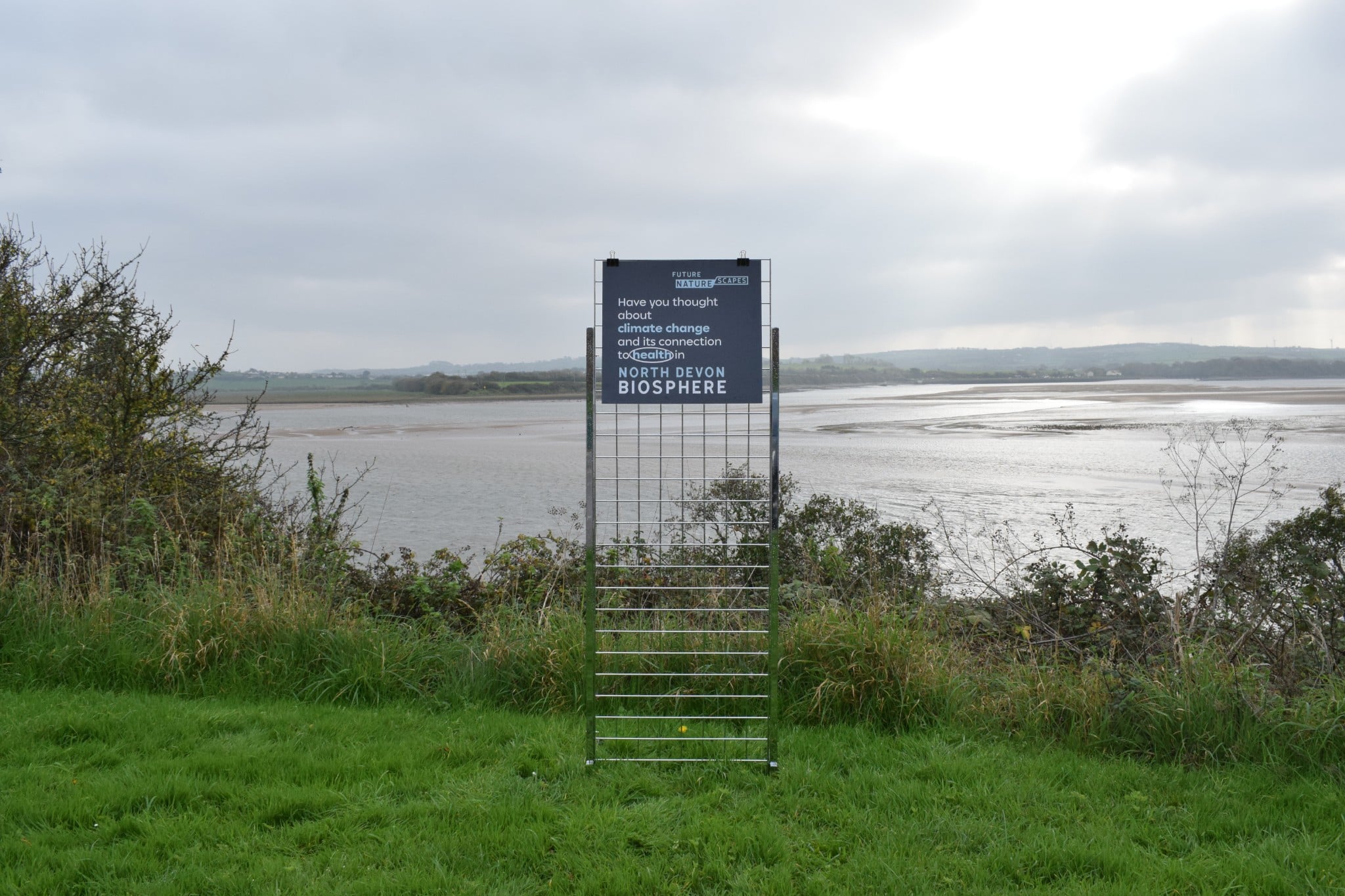
  • North Devon UNESCO Biosphere Reserve

Through these pilots, the CCUH project tested new approaches to stakeholder engagement, systemic threat assessment, collaborative data management and climate adaptation planning.

Future_Scapes includes a suite of open-source digital tools to support integrated place-based management, including a data catalogue, CRM system, GIS platform, knowledge wiki and interactive dashboard. Together, these tools help partnerships connect evidence, coordinate stakeholders and strengthen long-term planning and decision-making.

Additional resources on the platform include practical guidance, pilot-site learning, data audit findings, case studies and tested methods for stakeholder mapping, data mapping, threats and opportunities assessment and collaborative working.

UNESCO designations - including World Heritage Sites, Biosphere Reserves and Global Geoparks - bring together communities, researchers, public bodies, land managers and cultural organisations across whole landscapes. As multi-stakeholder partnerships, they are well placed to test and demonstrate more integrated responses to complex challenges. Future_Scapes is designed to support that role.

The launch forms part of UKNC’s wider work to position UNESCO-designated sites as living laboratories for climate action and sustainability - places where research, policy, local knowledge and practical action come together.


Mike Robinson, Non-Executive Director at the UK National Commission for UNESCO, said:

“Future_Scapes responds to a very practical problem: the challenges facing places are increasingly connected, but the systems we use to understand and manage them are often not. This resource is about helping landscapes work differently - bringing together people, data and institutions in ways that support more collaborative, informed and forward-looking responses.”

John Scott, Manager, Frontiers of the Roman Empire UNESCO World Heritage Site (Hadrian's Wall), said:

“We have come to see that we can no longer view the environments surrounding our ancient monuments as static. They are dynamic, living landscapes that are constantly changing. This project has equipped us with the tools and evidence to be more proactive in how we face that change.

By bringing together diverse data sources, we have been able to more clearly see both the patterns of environmental change and the impacts of the actions in the round as we take action to address them. This gives us clearer insight, better informs our decision-making, and enables us to act at the right time to better protect these irreplaceable places.”

Matt Rabagliati, Head of Policy, Research and Communications at the UK National Commission for UNESCO, said:

“UNESCO sites are not only places experiencing the pressures of climate change and other 21st-century challenges - they are also some of our strongest platforms for addressing them. Future_Scapes brings together practical tools and methods to help places move beyond siloed working and towards more integrated, collaborative approaches to climate resilience and landscape stewardship.”


The platform also reflects the growing role of UNESCO sites as spaces for experimentation and innovation. Alongside the website launch, the wider CCUH programme has supported collaborations ranging from Climate Adaptation Pathways workshops with University College London to a new AI and predictive modelling partnership at Vindolanda Roman Fort on Hadrian’s Wall.

By combining practical tools with a broader strategic vision, Future_Scapes offers a model for how heritage landscapes can contribute not only to conservation, but also to the collaborative shaping of more resilient and sustainable futures.

Supported By
UNESCO in the UK Logo
This website was produced by the UK National Commission for UNESCO as part of its Local to Global programme, made possible with The National Lottery Heritage Fund, thanks to National Lottery players.