The UK National Commission for UNESCO is pleased to announce a new partnership with Nottingham Trent University to support four pilot projects exploring the relationship between built heritage and intangible cultural heritage in the UK.
Funded by Nottingham Trent University, the pilots will examine how living heritage intersects with historic places, buildings, communities and landscapes. The work comes at a significant moment following the UK’s ratification of the 2003 UNESCO Convention for the Safeguarding of the Intangible Cultural Heritage, and will help inform wider thinking on how intangible cultural heritage can be recognised, supported and understood in a UK context.
The pilot projects will explore the role of living heritage in shaping identity, belonging, economic development, resilience and change. They will also consider how communities understand, adapt and reinterpret heritage in places experiencing social, cultural, economic and environmental transition.
Professor Natalie Braber, Nottingham Trent University, said:
“Intangible, or living, heritage is often neglected in favour of more tangible heritage, such as objects or buildings. However, our living heritage is an essential part of our identity and belonging and it is important that we ensure that local communities have opportunities to work with UNESCO UK Heritage sites to celebrate these types of heritage, including crafts and traditions as well as folklore, stories and other cultural practices.”
Matthew Rabagliati, Head of Policy, Research and Communications at the UK National Commission for UNESCO, said:
“The stories of places matter. They shape how people understand where they live, how they connect to one another, and how they make sense of change. These pilots will work directly with communities to listen to, understand and articulate the living heritage of their places - from skills, traditions and cultural practices to memories, stories and local knowledge.
“By supporting small grants to local communities and organisations, this partnership will help explore how living heritage can reconnect people with the places around them, strengthen local pride, and support a deeper understanding of the complex histories that shape our towns, landscapes and communities.
The four pilot projects
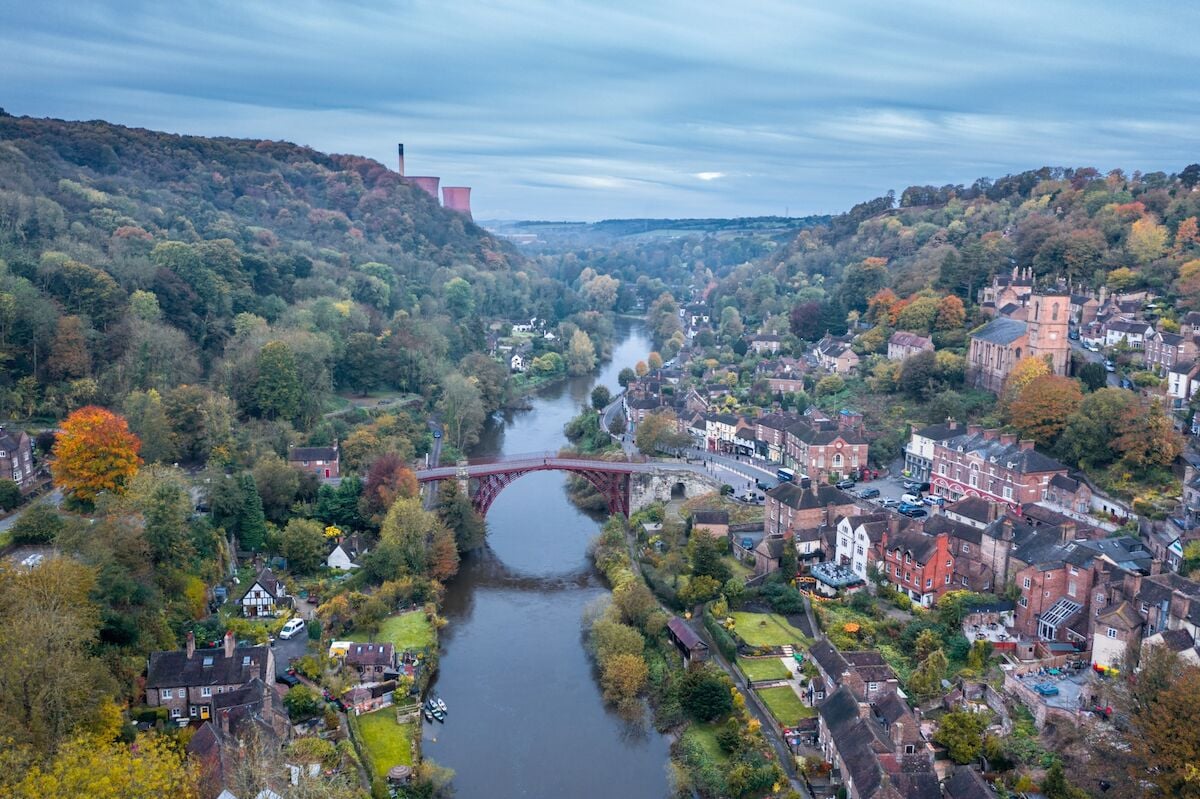
Ironbridge Gorge World Heritage Site: Young people, living heritage and the future of place
Working with National Trust Ironbridge Gorge, this pilot will form part of the site’s Year of Listening, which is helping shape the future of Ironbridge Gorge following its transfer into National Trust care in 2026. The project will work with children and young people from local communities in Ironbridge and Telford, particularly those who may not otherwise have opportunities to engage with local heritage.
Through creative facilitation, site visits and participatory activities, young people will explore what matters to them, how they relate to Ironbridge Gorge, and how living heritage can help them connect with its histories, industries and future possibilities. Activities may include creative responses linked to social media, art, tile-making and local industrial heritage, with the learning shared through onsite displays, digital channels and a short report.
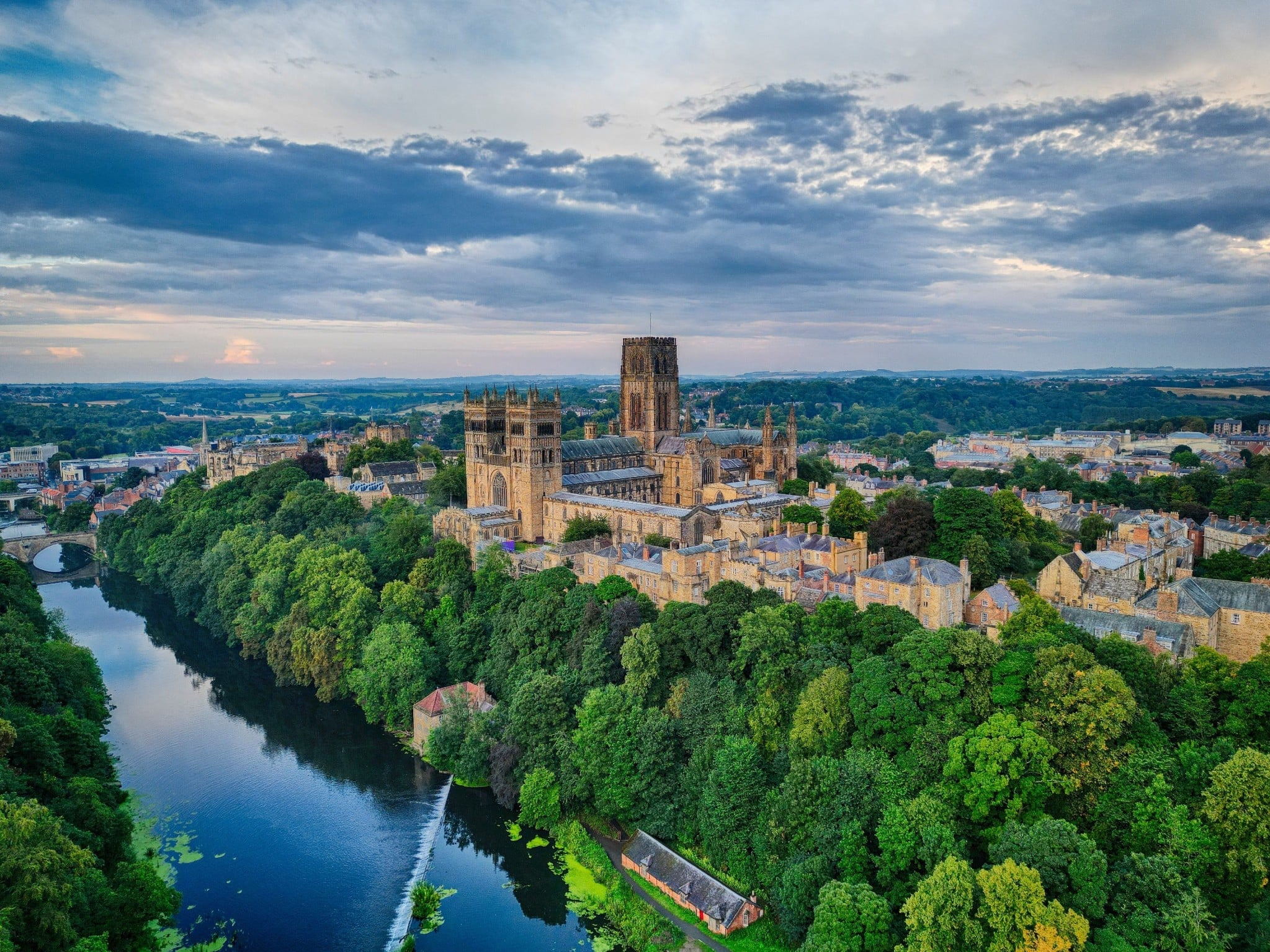
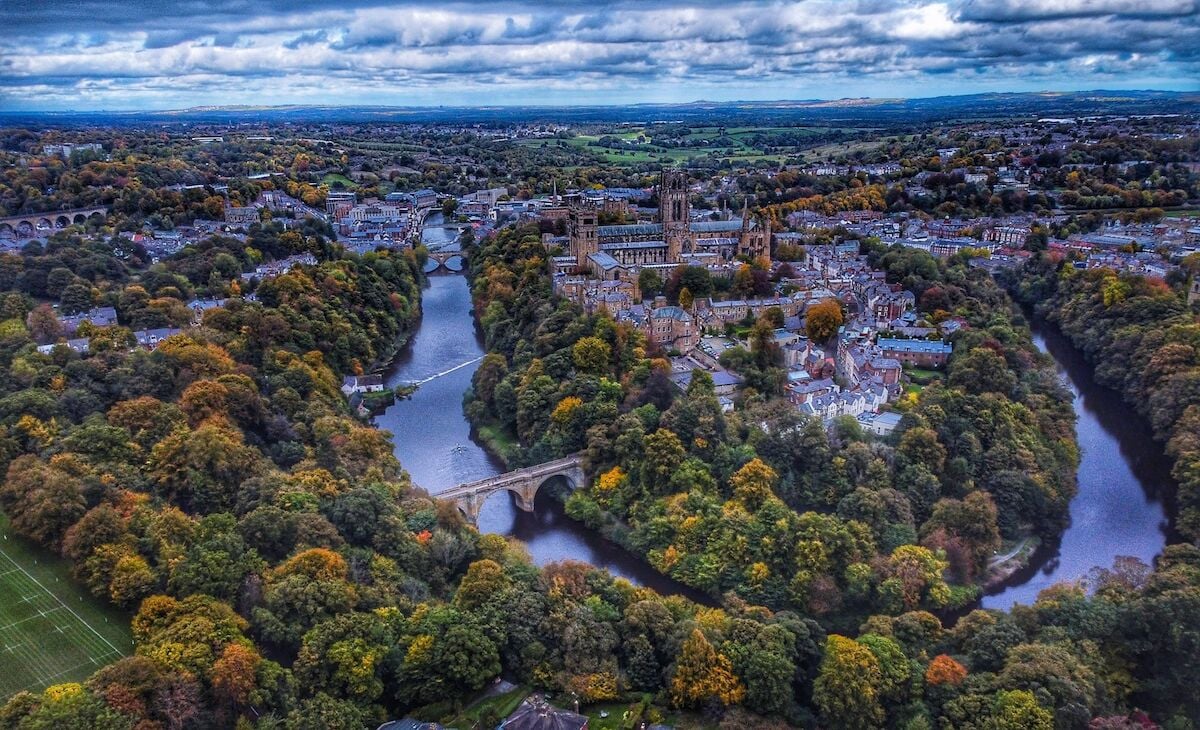
Redhills Durham Miners’ Hall: Remembering the past, building the future
Lead partner: Durham Castle and Cathedral World Heritage Site, working with Redhills Durham Miners’ Hall UNESCO connection: Durham Castle and Cathedral World Heritage Site / Redhills Durham Miners’ Hall Website: https://redhillsdurham.org/
This pilot will focus on Redhills Durham Miners’ Hall and its community-led Memorial Garden, supporting work to transform outdoor space into a landscape of remembrance, identity and collective gathering. At its centre will be a damaged tiled wall, which the project will begin to bring back to life through creative work with an artist and a coalfield school.
The pilot will test a model in which children and young people research their own local mining history and create a new ceramic tile reflecting both remembrance and future hopes for their village. Rooted in the living heritage of the Durham Coalfield, the project connects memory, solidarity, education and collective care, ensuring that the stories and values of mining communities continue to be passed on to future generations.
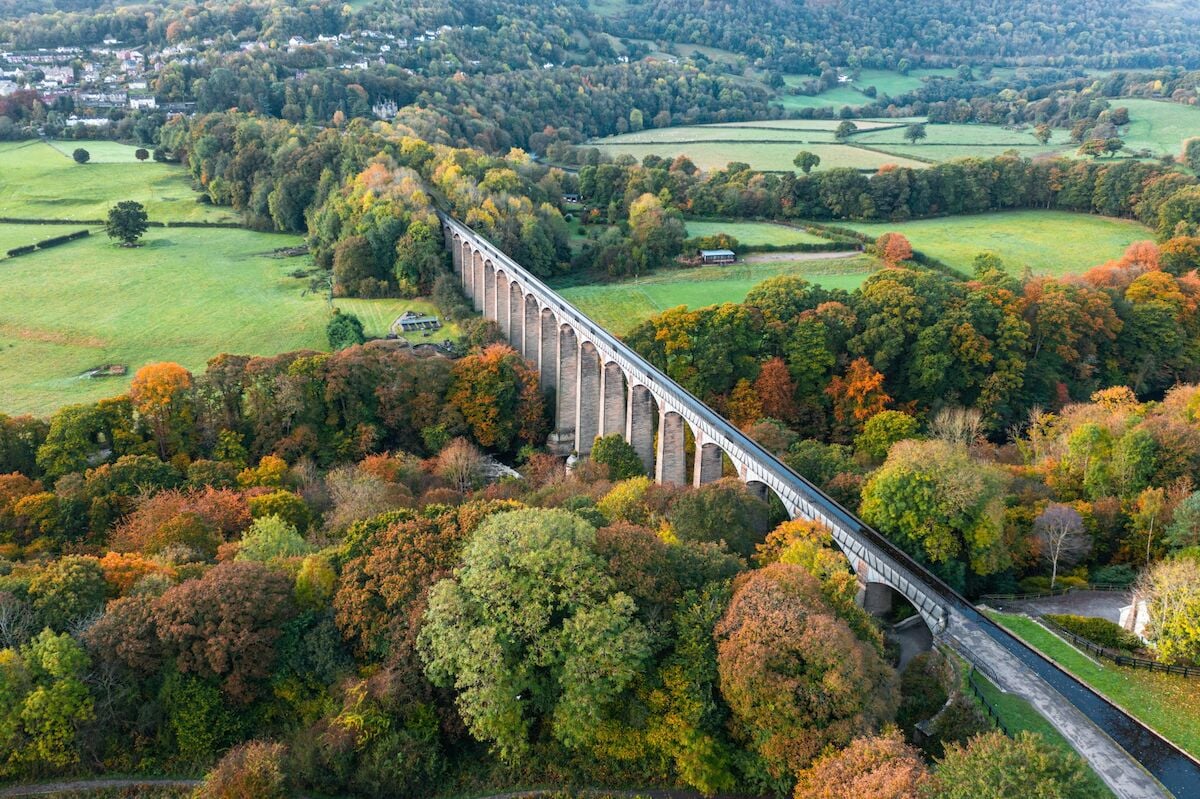
Pontcysyllte Aqueduct and Canal World Heritage Site: Skills, waterways and community memory
Lead partner: Glandŵr Cymru, Canal & River Trust in Wales UNESCO connection: Pontcysyllte Aqueduct and Canal World Heritage Site Website:https://www.pontcysyllte-aqueduct.co.uk/
This pilot will build on a World Heritage Site Placemaking Project (2023-present), which has focused on four post-industrial communities in Chirk, Trevor, Froncysyllte and Cefn Mawr through a transdisciplinary approach to empower community-led heritage development. The pilot will enable a mini-residency by Welsh-based artist Leo Bruno Todd, using dry stone walling, restoration skills, and social practice as a catalyst to begin conversations about vernacular heritage skills and craft, and their relationship to industrial-age mineral extraction in the landscape and the subsequent post-industrial changes that these communities live with today.
The residency will engage members of local communities, including people connected to the narrowboat community and historic waterway landscapes, to explore memory, skills and the living heritage of land and water. The work will be documented through film and will inform the next phase of the World Heritage Site Placemaking Project, contributing to wider ambitions around cultural regeneration, sustainable tourism through a redistribution of wealth toward a more equitable visitor economy and local skills development opportunities that truly embody the World Heritage landscape and reflect what the future will look like for young people today.
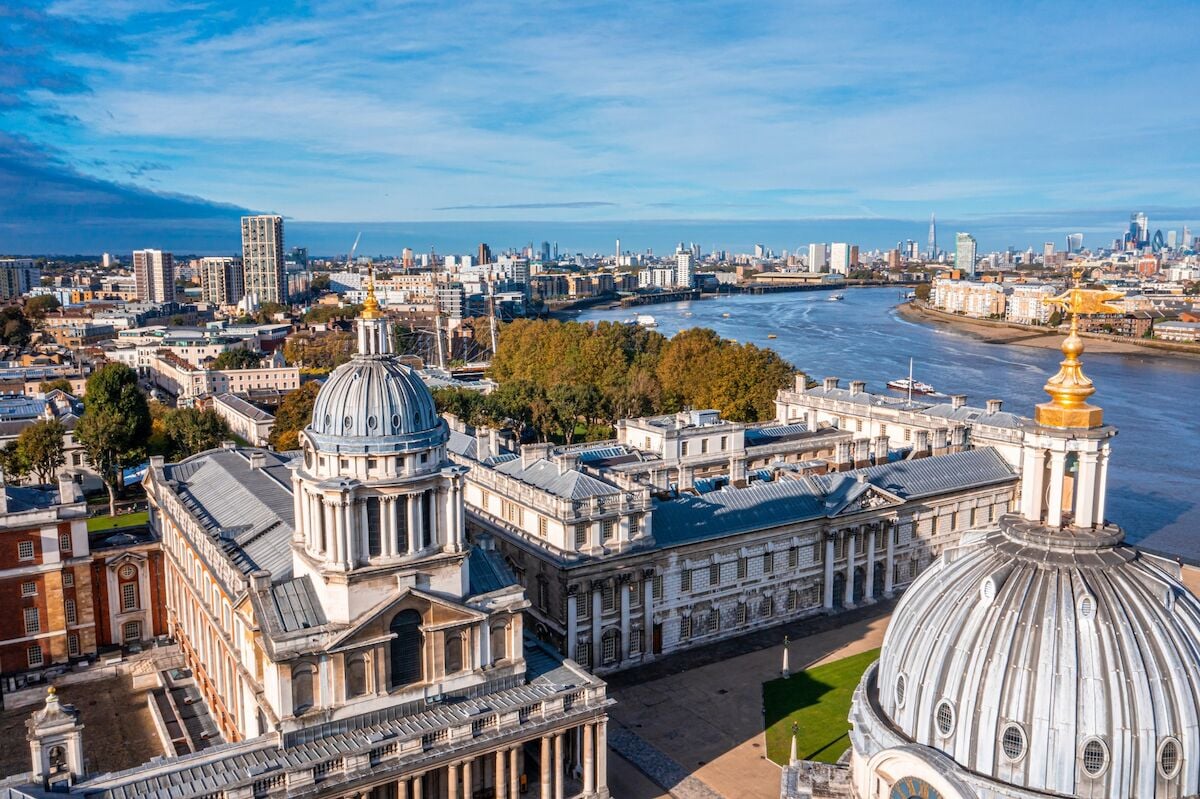
Hand to Hand: Passing Living Fan Traditions Between Generations at Maritime Greenwich
Lead partner: ZSLondon Ltd, working with The Fan Museum UNESCO connection: Maritime Greenwich World Heritage Site Website: The Fan Museum
This pilot will bring together East Asian communities in London to celebrate and pass on living fan traditions across generations. Based at The Fan Museum, the UK’s only museum devoted entirely to the history, culture and craft of fans, the project will include community workshops in brush painting, calligraphy and fan decoration.
The project will culminate in an intergenerational community catwalk within the Maritime Greenwich World Heritage Site, where mothers and daughters, grandmothers and granddaughters will walk together carrying hand-painted fans, treasured garments or meaningful heirlooms. Through making, storytelling and performance, the project will make living heritage visible, while helping The Fan Museum broaden cultural engagement and connect with new audiences.
Together, the four pilots will bring a new living heritage dimension to existing audiences and participants, while also supporting sites to engage with new people, communities and networks.
The projects will provide practical insights into how intangible cultural heritage can be considered alongside the UK’s built and historic environment. They will contribute to wider national discussions about the implementation of the 2003 Convention and the ways in which living practices, skills, traditions, stories and forms of knowledge give places meaning.
The partnership reflects a growing interest in heritage not only as something to be preserved, but as something actively lived, practised and reshaped by communities. It will help inform future thinking on how heritage policy and practice can respond to questions of identity, growth, resilience and change across the UK.
This website was produced by the UK National Commission for UNESCO as part of its Local to Global programme, made possible with The National Lottery Heritage Fund, thanks to National Lottery players.