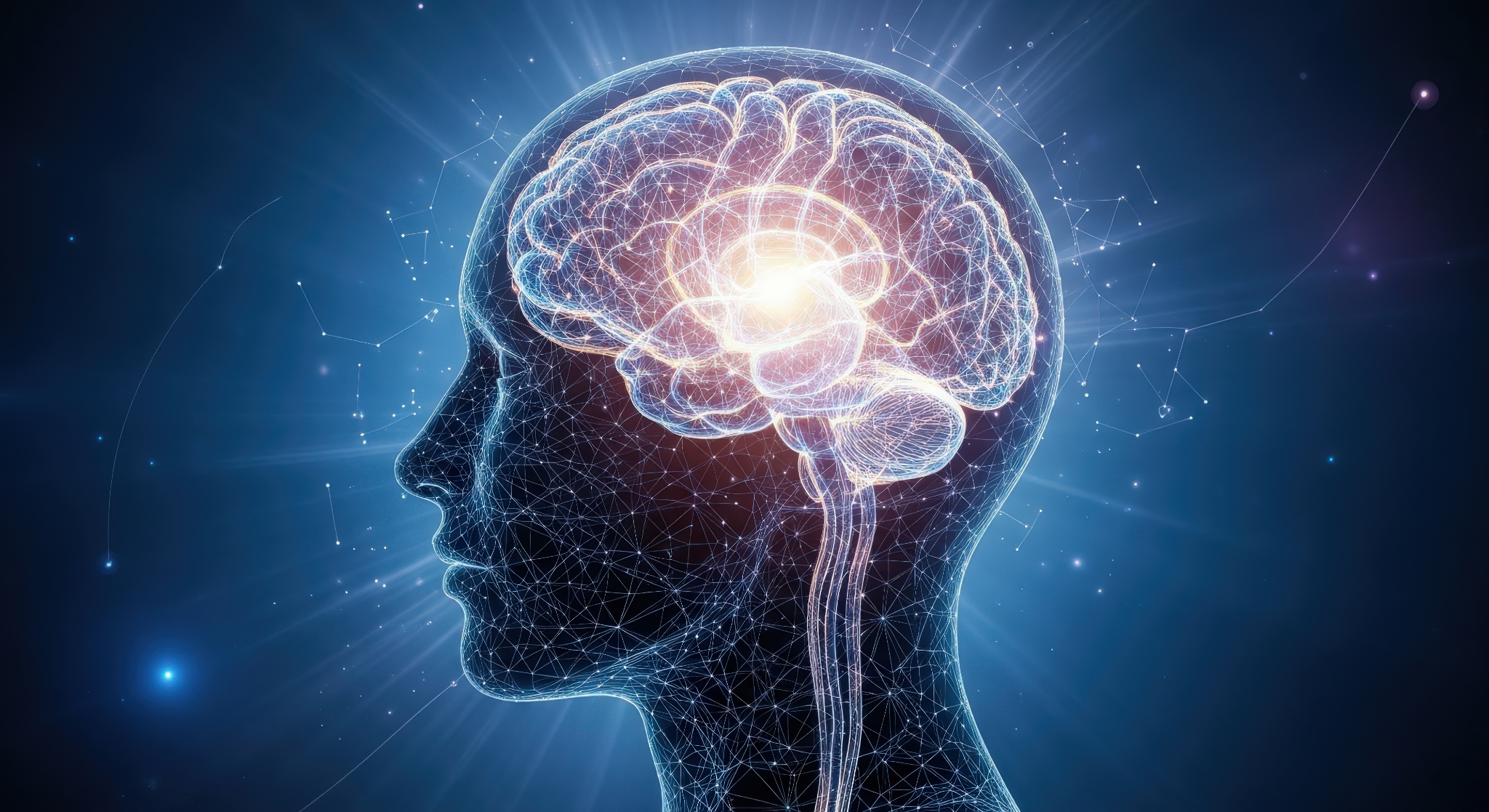
Neurotechnologies are devices and systems that can measure, analyse or influence the human nervous system. They are advancing rapidly and are expected to transform healthcare, education, work and consumer technology in the coming years. These tools could significantly improve health, well-being and inclusion. However, they also raise profound ethical and societal questions about privacy, personal agency, fairness, and the risk of misuse such as surveillance, coercion, or use in military or security settings.
Adopted by more than 190 countries in November 2025, the UNESCO Recommendation provides a global framework to help governments, researchers, industry, and civil society ensure neurotechnology benefits people and society. It sets out principles for the ethical development and use of neurotechnology at every stage, including protections for neural data and information that could reveal mental states.
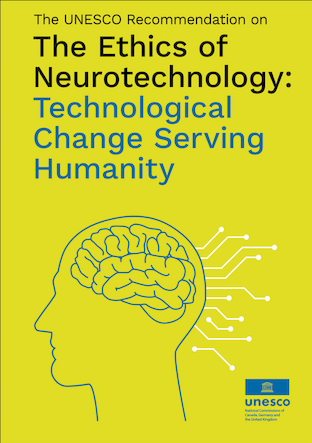
The new brochure from the three National Commissions offers an accessible overview of:
- What neurotechnology is and how it is already used.
- The opportunities it brings for health, accessibility, and innovation.
- The ethical risks it raises for privacy, autonomy, and fairness.
- How the UNESCO Recommendation supports responsible governance and use.
James Bridge, Secretary-General, UK National Commission for UNESCO, said:
“Neurotechnology is advancing rapidly and raising important ethical questions about privacy, autonomy and the protection of the human mind. The UNESCO Recommendation provides a global framework to help ensure these technologies are developed and used responsibly.”
Dr. Roman Luckscheiter, Secretary General of the German Commission for UNESCO, said:
“The UNESCO Recommendation is the first global framework to set out clear ethical guidelines for neurotechnology. It is now up to the member states to translate these provisions into national policy. The new brochure is the result of a collaboration between National Commissions to support this process - it explains the Recommendation and demonstrates how neurotechnology can empower individuals, as long as essential rights such as dignity, autonomy, and mental privacy are safeguarded.”
David Schimpky, Director of Secretariat, Canadian Commission for UNESCO, said:
"It is crucial at this stage, that the development of neurotechnology be grounded in policies that prioritize the protection of human rights, and give special consideration to vulnerable populations. We hope this brochure will help mainstream understanding of associated opportunities and risks, and advance discussions on the necessary guardrails to ensure its ethical use."
The new Recommendation follows the development of a UNESCO Recommendation on the Ethics of Artificial Intelligence (2021), which is already supporting governments and organisations to develop frameworks for the responsible use of AI. The new Neurotechnology Recommendation builds on this work by addressing emerging technologies that interact directly with the human brain and nervous system, an area expected to grow rapidly in the coming years.
The brochure is for policymakers, educators, researchers, industry leaders, and the general public. It aims to support national and international discussions about how to govern neurotechnology in ways that protect human rights and build public trust.