“There is no life, and no future, without water.”
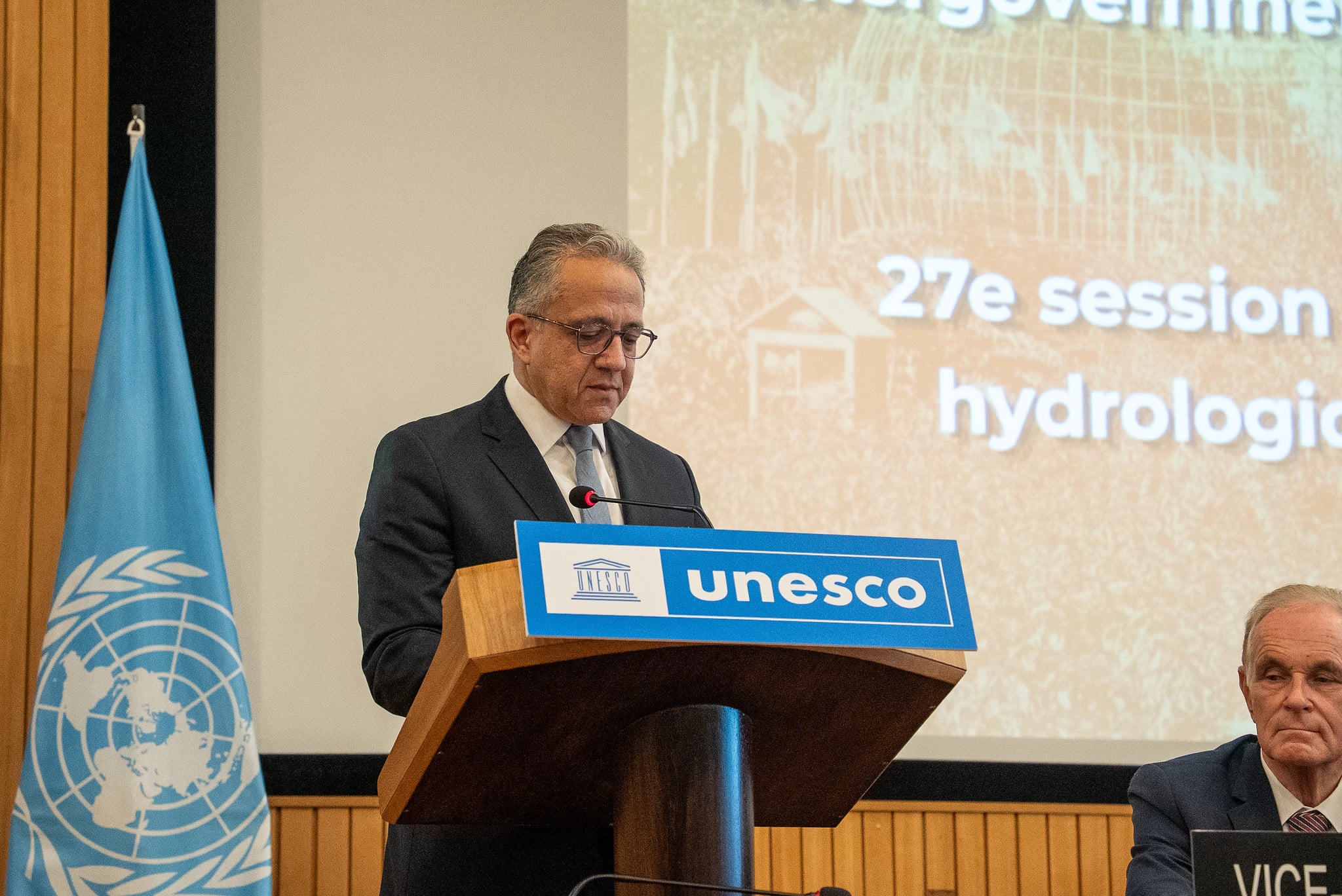
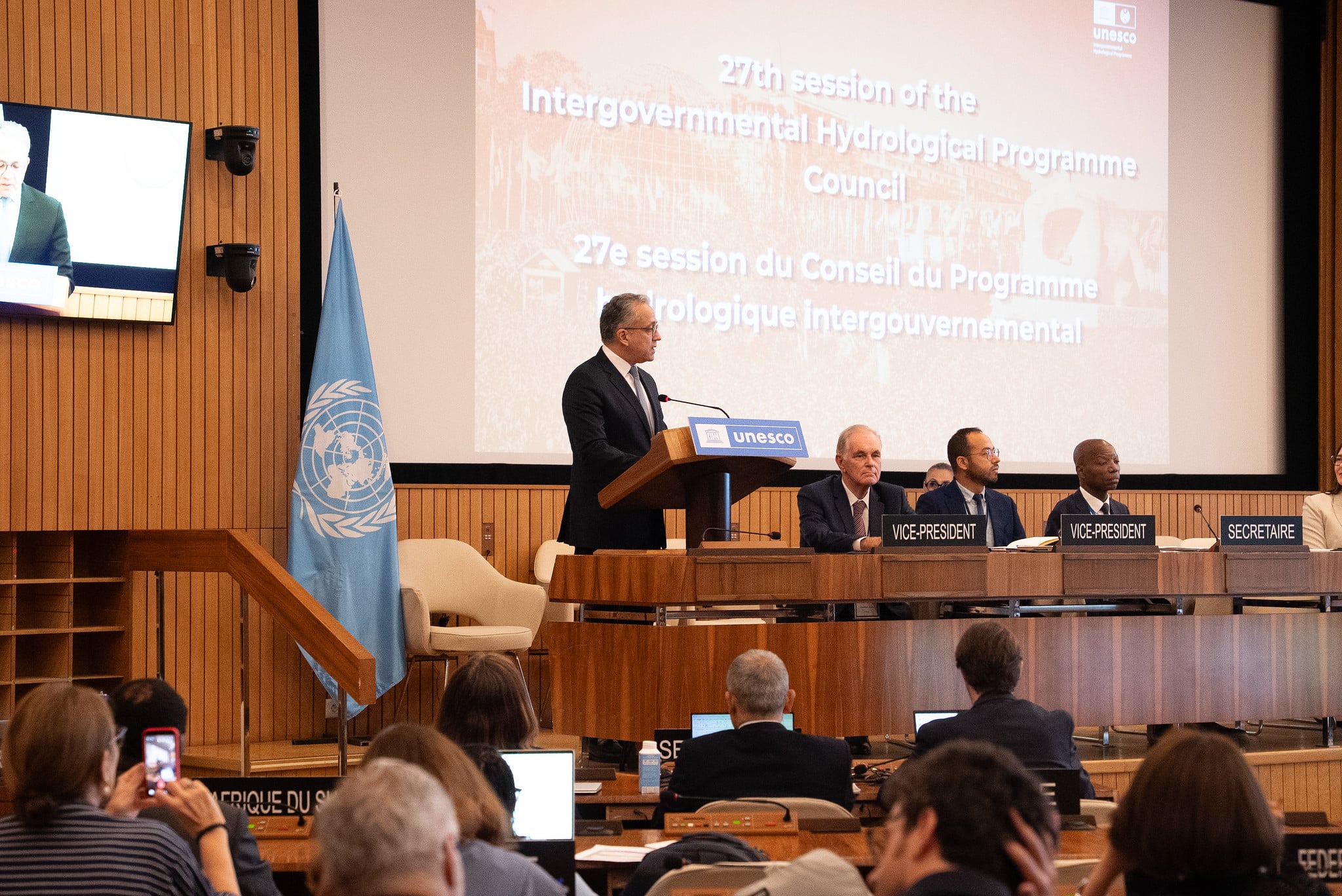
Mr Khaled El-Enany’s, (Director-General of UNESCO) opening message, setting the tone for the Intergovernmental Hydrological Programme’s 27th Council Session.
The Council assembles every two years, bringing together government representatives and water experts from around the world to review the Programme’s progress and make decisions on its future direction.
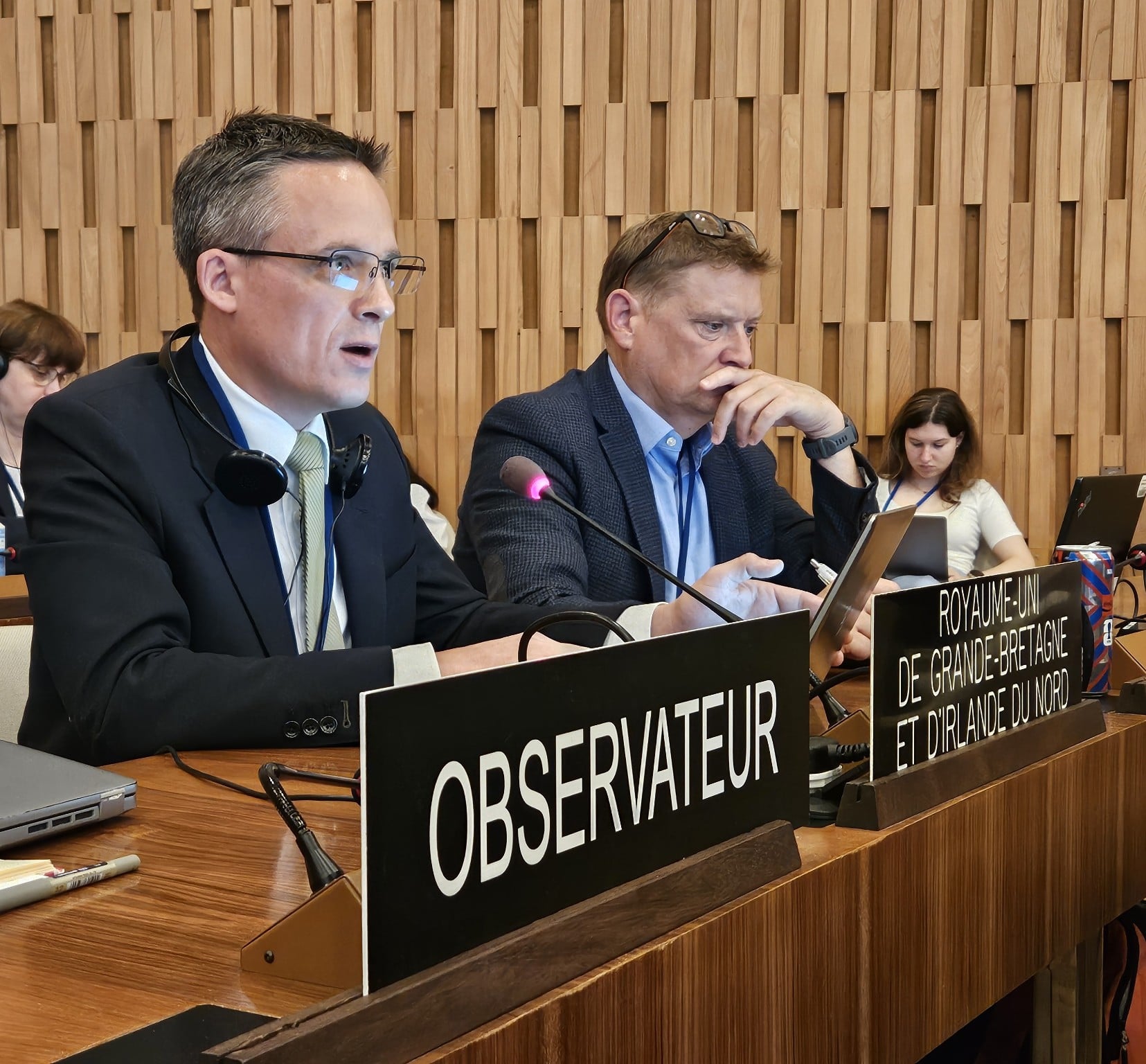
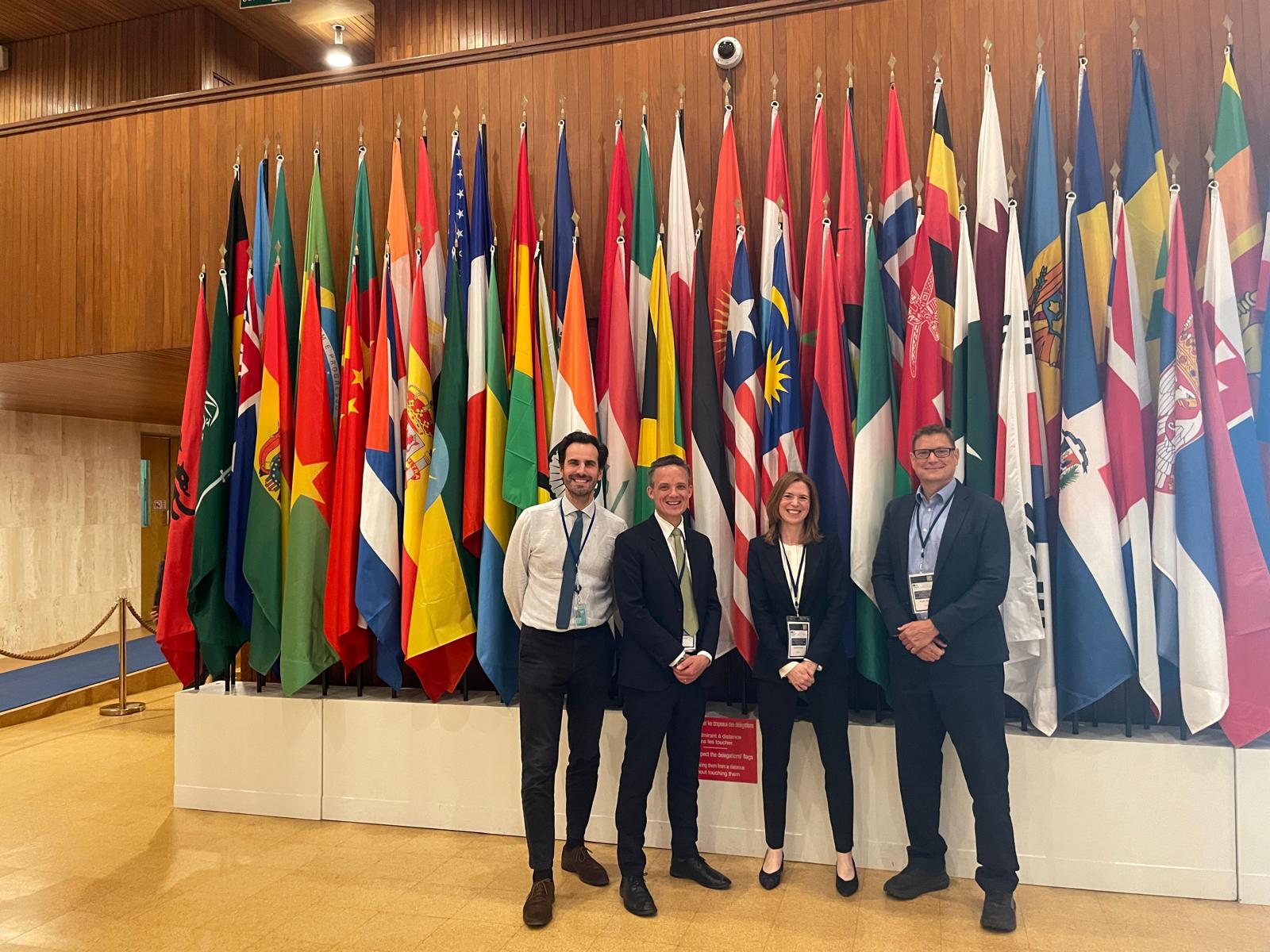
The UK participated at the session as an observer, contributing actively to discussions and providing specialist expertise in hydrological science and policy. This engagement reflects the UK’s continued commitment to UNESCO’s scientific programmes addressing global challenges.
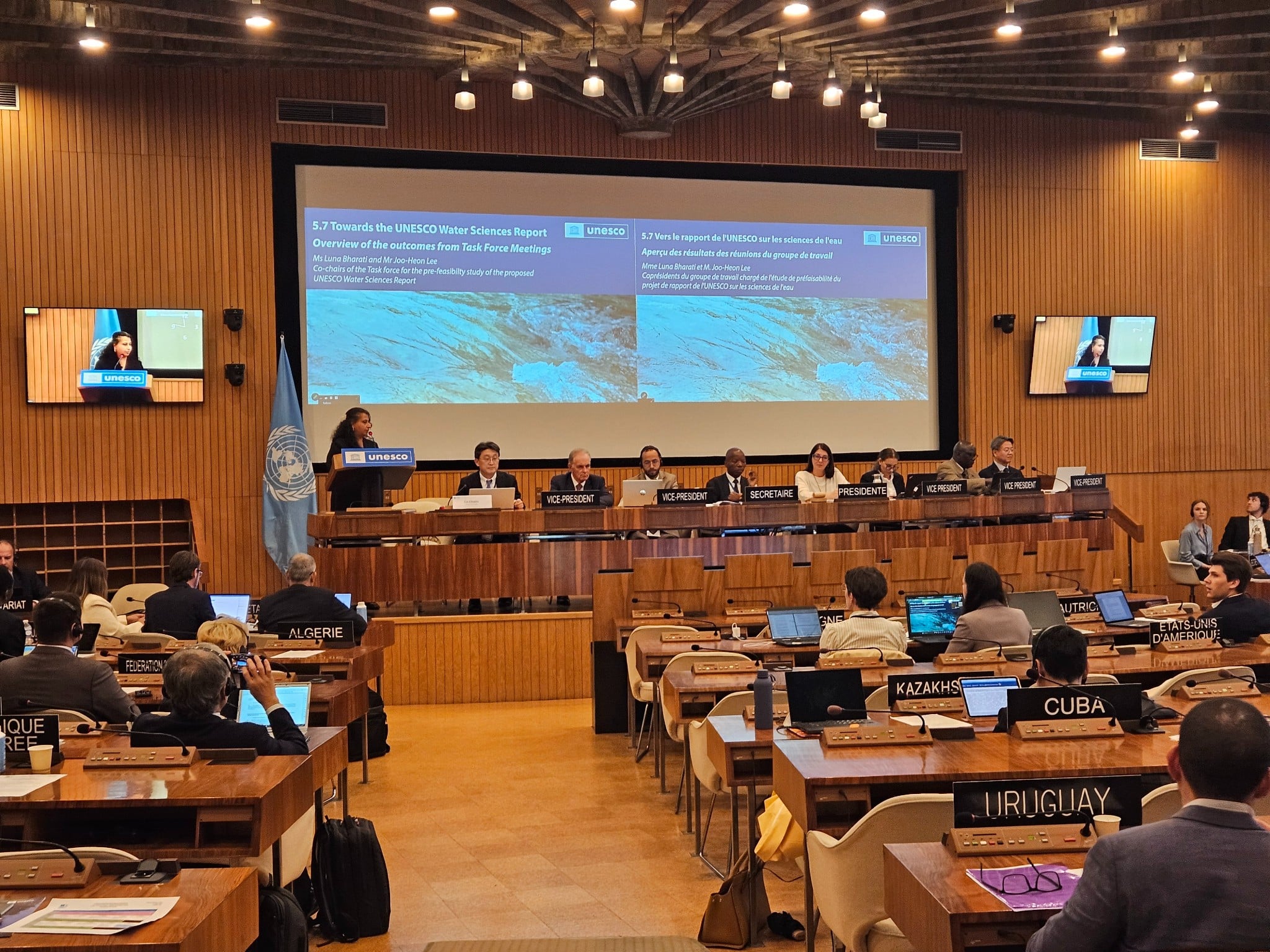
During the session, the 36 Member States of the Council approved several significant developments aimed at strengthening global water resilience.
A major outcome was the launch of the Megacities Alliance for Water and Climate Change (MAWAC), a new international cooperation platform designed to support cities facing increasing water risks driven by rapid urbanisation and climate change. With more than half of the world’s population now living in urban areas, and megacities (cities with populations exceeding 10 million) continuing to expand, the alliance aims to strengthen scientific collaboration, facilitate knowledge exchange, and drive innovation to support resilient water management and climate adaptation.
Alongside this, the Council also emphasised the importance of engaging the next generation through the adoption of the Youth4Water initiative, ensuring young professionals play an active role in shaping global water action. By strengthening youth participation, the programme aims to support capacity development and ensure youth perspectives are reflected in future water governance.