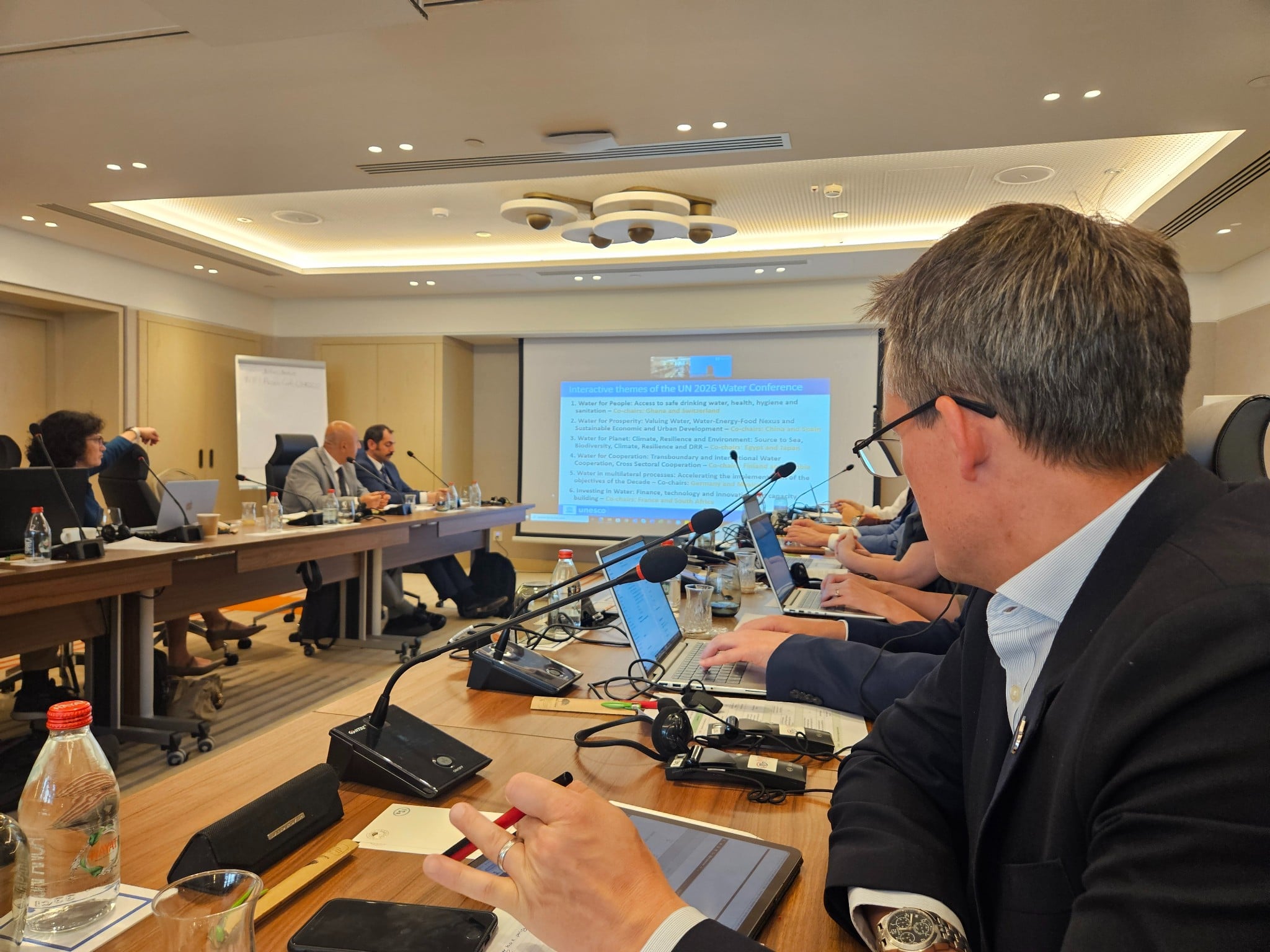
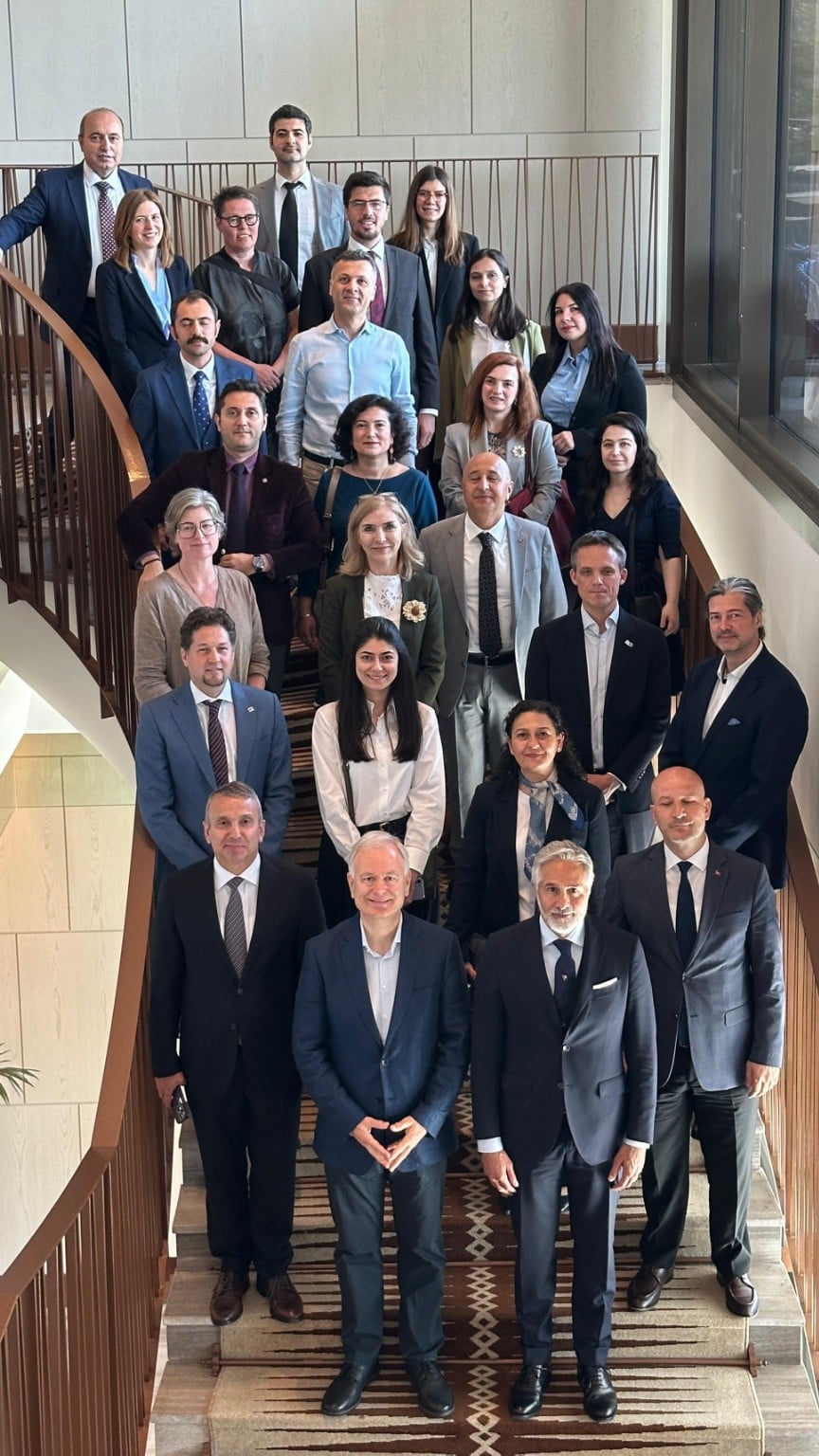
The two-day event brought together experts and national representatives from across Europe, providing an important platform to coordinate regional perspectives ahead of the forthcoming IHP Intergovernmental Council session, where decisions on the Programmes future direction will be taken. As UNESCO’s flagship programme for water research and cooperation, the IHP plays a central role in advancing scientific knowledge and supporting sustainable water management worldwide. It helps shape international responses to some of the world’s most pressing water challenges, from deteriorating water quality and increasing water scarcity, to more frequent and severe floods and droughts, as well as the challenges associated with melting glaciers and changes to the cryosphere.
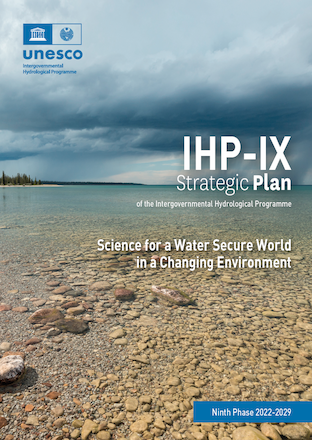
Discussions focused on the delivery of the current IHP strategy and priorities for its next phase (2030 - 2037), including the consideration of newly proposed initiatives.
A key area of discussion was the proposed UNESCO Water Sciences Report, an idea the IHP Council will debate in June. If taken forward the Report would aim to provide a periodic, global synthesis of advances in water science, connecting emerging knowledge with practical solutions and real-world applications. The proposed report would be expected to support evidence-based policymaking and inform global water initiatives, including future UN water processes.
Participants also examined the proposal to establish a Megacities Alliance for Water and Climate Change (MAWAC), a timely initiative in the context of rapid global urbanisation and the continued growth of megacities (cities with a population of over 10 million), which aims to strengthen cooperation on urban water resilience.
The regional meeting played an important role in building consensus among European Member States ahead of discussions at the IHP Council (1-5 June 2026). By aligning regional perspectives, countries are better placed to contribute effectively to global decision-making and ensure regional priorities are reflected in the programme’s future direction. This is particularly important as UNESCO continues to evolve its water programme to respond to emerging environmental and societal challenges, and to contribute to major international processes, including the United Nations 2026 Water Conference and the development of a post-2030 global agenda.
The UK’s participation in the Istanbul meeting forms part of this ongoing commitment to UNESCO’s scientific programmes and to international collaboration on water. Through engagement in the IHP, UK expertise supports shared knowledge, strengthens partnerships, and helps ensure global strategies are informed by robust science.
The meeting reinforced UNESCO’s role as a platform for international scientific cooperation and highlighted the value of bringing together expertise across borders to address complex global challenges. At a time of increasing pressure on water resources worldwide, such collaboration remains essential to building a more sustainable and resilient future for all.