Published on 20 May 2026, the report sets out the growing risks that climate change poses to people, places, nature, infrastructure and the economy across the UK. For the first time, the Committee’s independent assessment includes a dedicated chapter on cultural heritage, recognising that historic buildings, collections, archaeological sites, cultural landscapes and internationally designated places are already being affected by flooding, coastal erosion, storms, heat, drought and wildfire.
The report warns that the UK was built for a climate that no longer exists, and that adaptation must now become a national priority. It identifies three major hazards - heat, flooding and drought - while also stressing that climate risks do not sit neatly within individual sectors. Many of the most serious impacts will cascade across systems, including land, water, infrastructure, public services, nature, communities and heritage.
For the UK’s UNESCO sites, this recognition is significant. World Heritage Sites, Biosphere Reserves, Global Geoparks and Creative Cities are home to some of the UK’s most important natural, cultural and scientific assets. They are also living places: landscapes, communities, institutions and partnerships already working across conservation, education, research, tourism, land management and local development.
The report makes clear that cultural heritage is at risk from climate change, but it also points toward the role heritage can play in adaptation. It highlights the need for long-term adaptation planning for heritage assets at risk, proposing that by 2035, all cultural heritage assets managed for public good and deemed “at risk” should have a long-term adaptation plan, and that by 2050, climate risks for all at-risk cultural heritage assets should be managed.
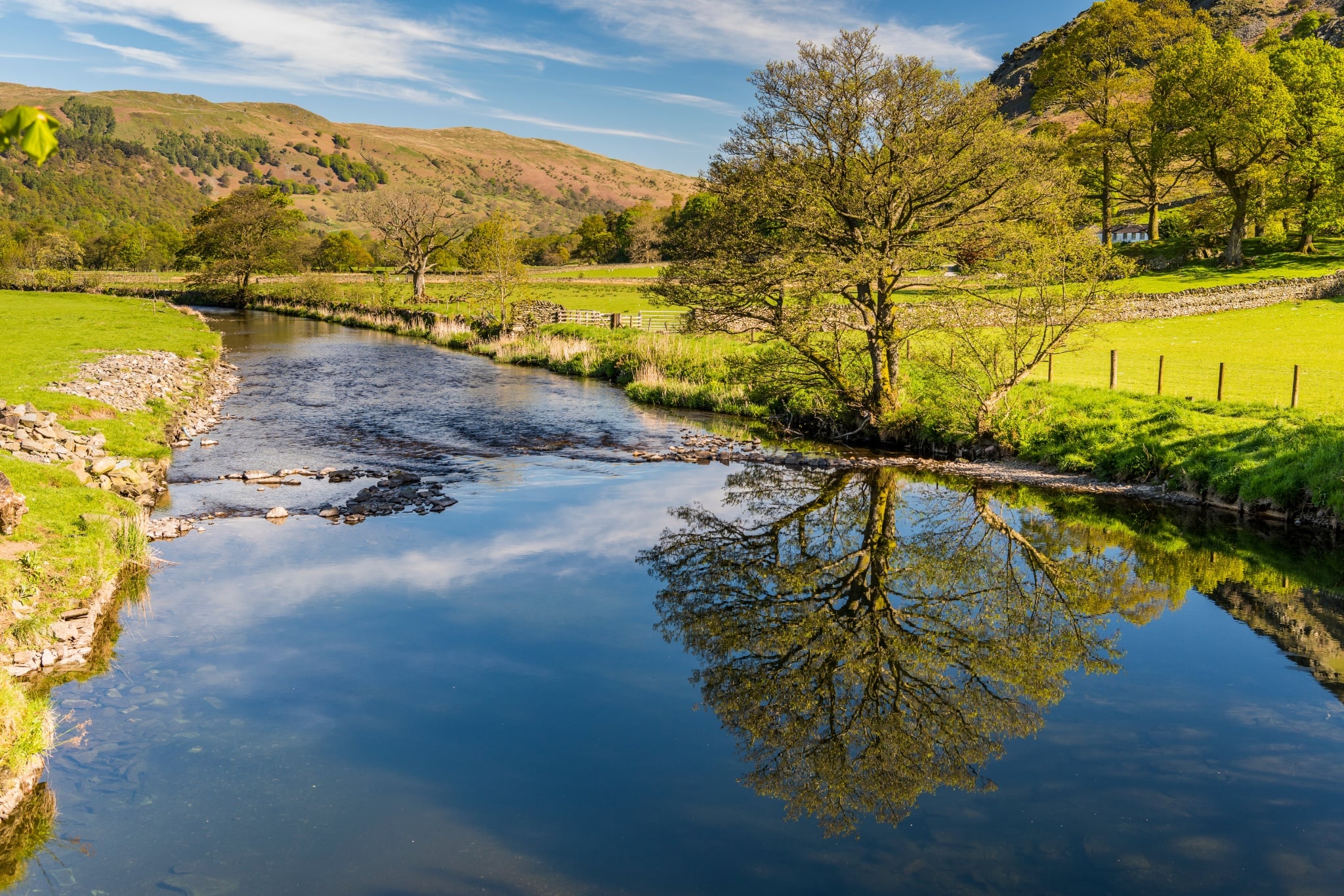
Importantly, the report also identifies examples of practical adaptation already taking place. These include nature-based solutions at Goldrill Beck in the Lake District UNESCO World Heritage Site, where river re-meandering, floodplain restoration, ponds and ditches are being used to reduce flood risk while supporting the wider landscape.