Key Information
Register:
NationalYear of Inscription:
2024Nominating Institution:
The Ironbridge Gorge Museum Trust
Erected under the direction of Abraham Darby III in 1779, the Iron Bridge over the River Severn in Shropshire was the first wholly cast iron bridge in the world. The successful completion of this pioneering structure marked a turning point in British design and engineering, and thereafter cast iron came to be widely used in the construction of bridges, aqueducts and buildings.
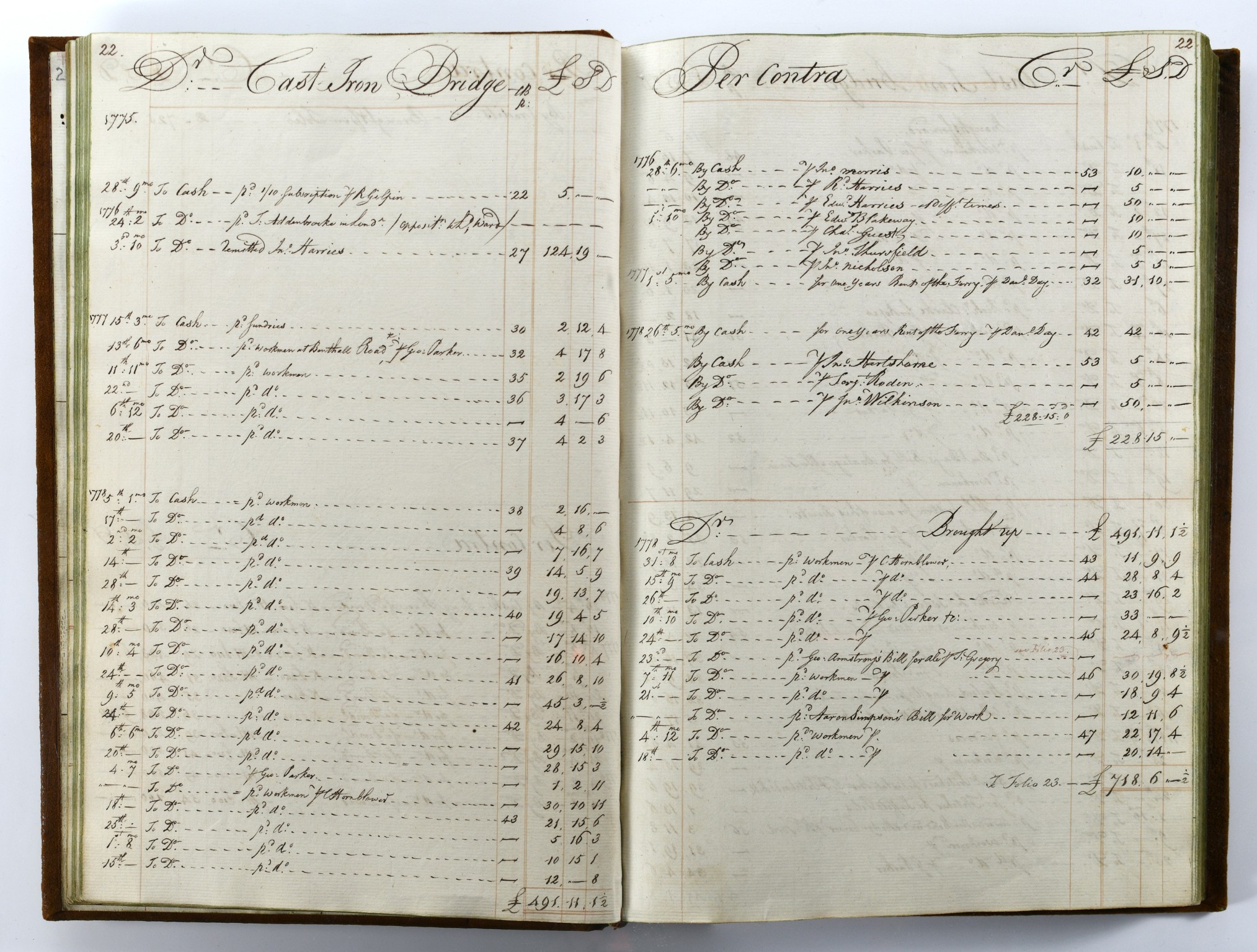
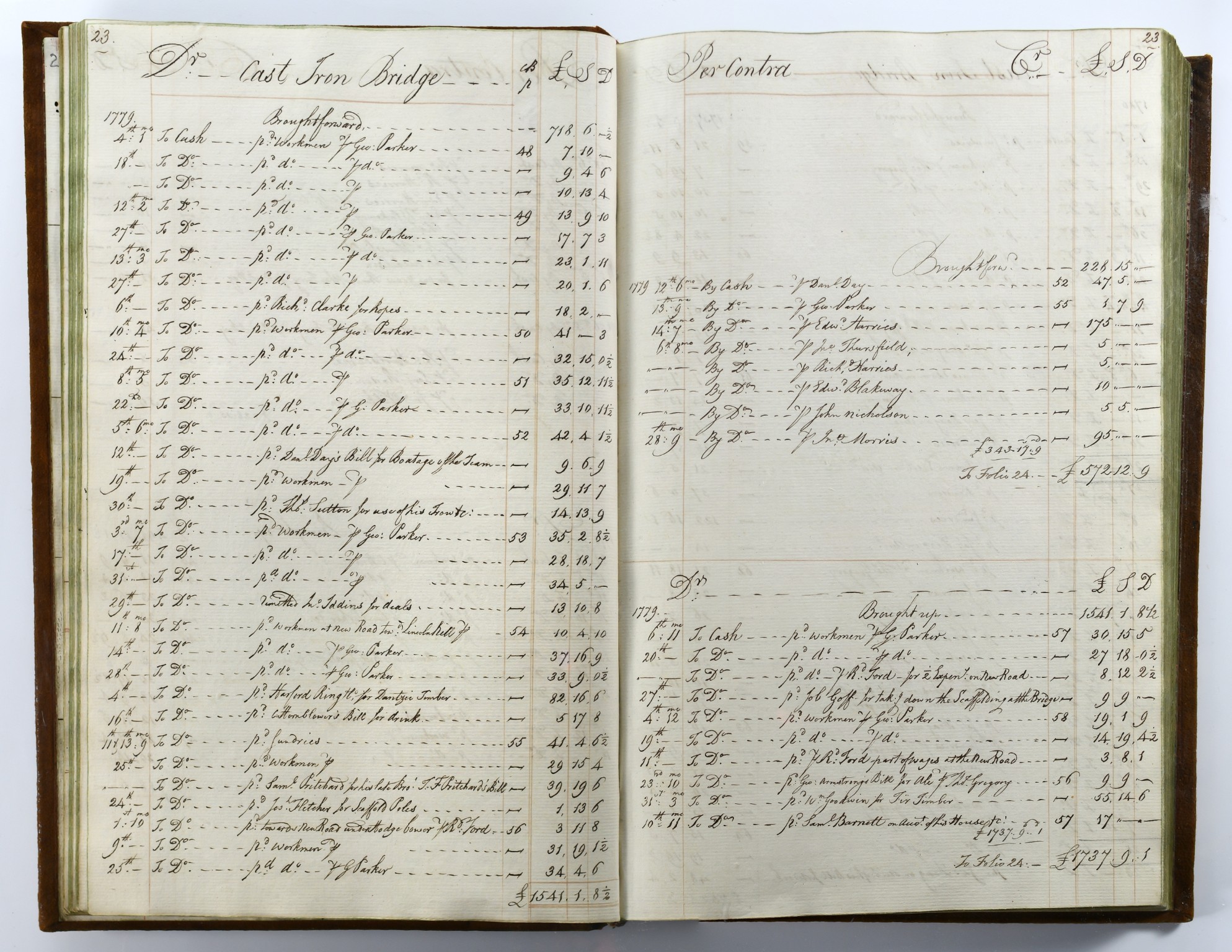
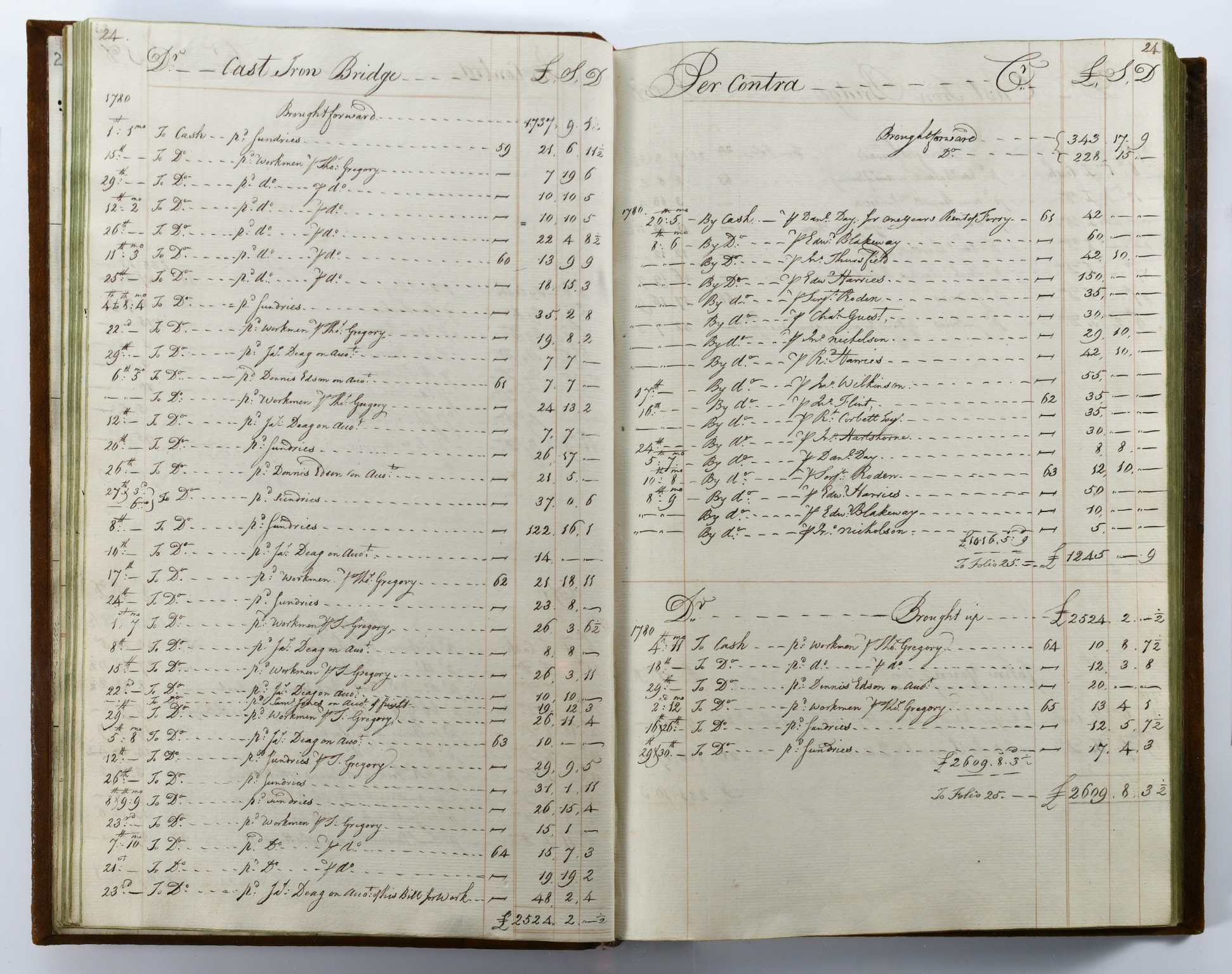
The documentary heritage relating to the building of the Iron Bridge inscribed onto the Memory of the World register consists of three items which, as a group, evidences the financial context for the building of the Iron Bridge, including costings for building the Bridge itself, for the new roads required to serve the new structure, and for ancillary services such as interest paid on loans for the enterprise; the names of individuals involved in the project including investors and suppliers of goods, services and labour; and, by inference, a timeline for progress and for key events relating to the Iron Bridge between September 1775 and February 1781.
The items comprise:
Estimate for erecting a cast iron bridge with stone abutments over the River Severn between Madeley and Broseley, September 1775
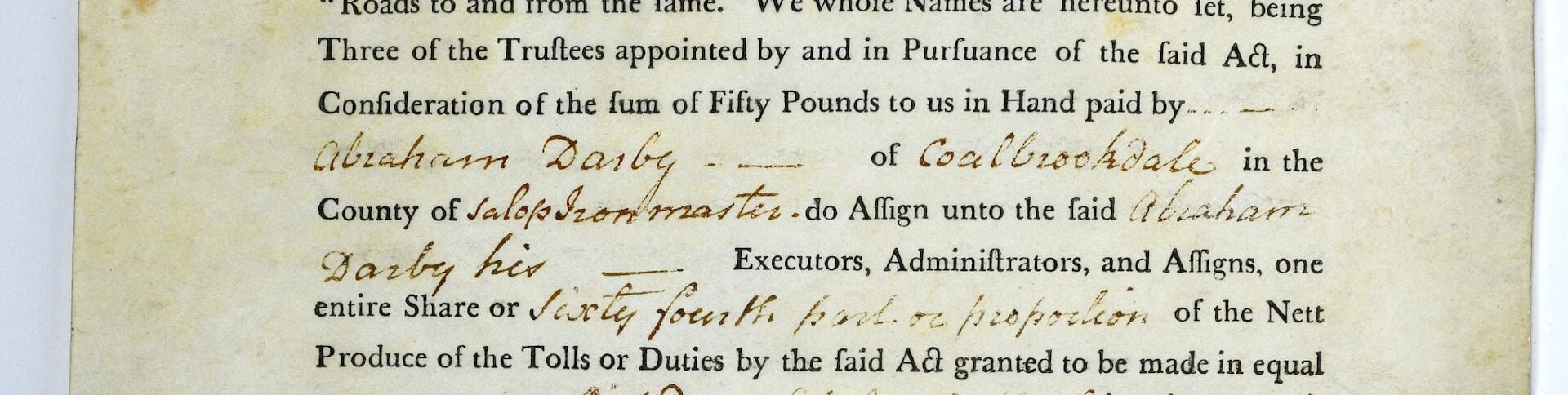
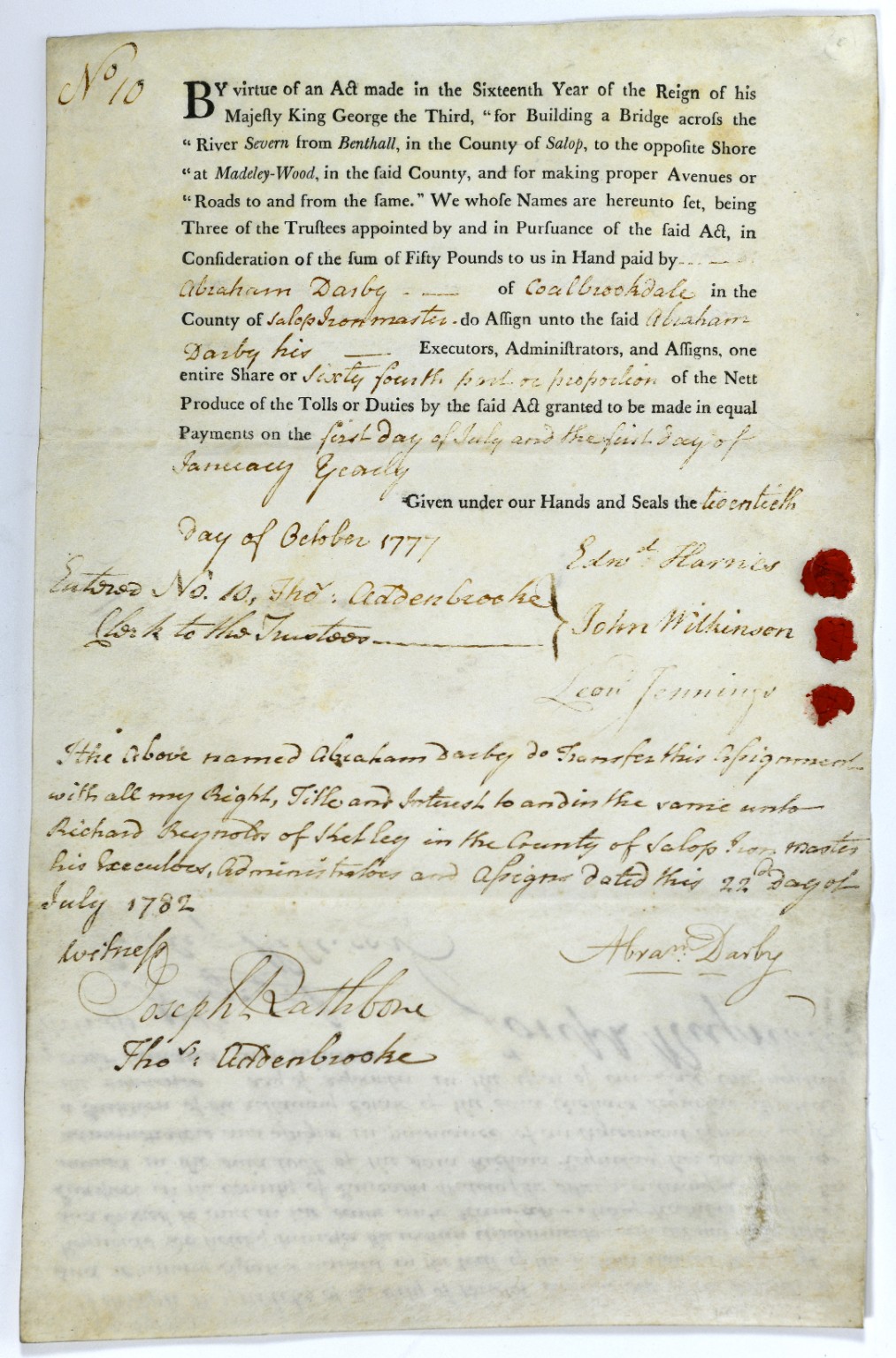
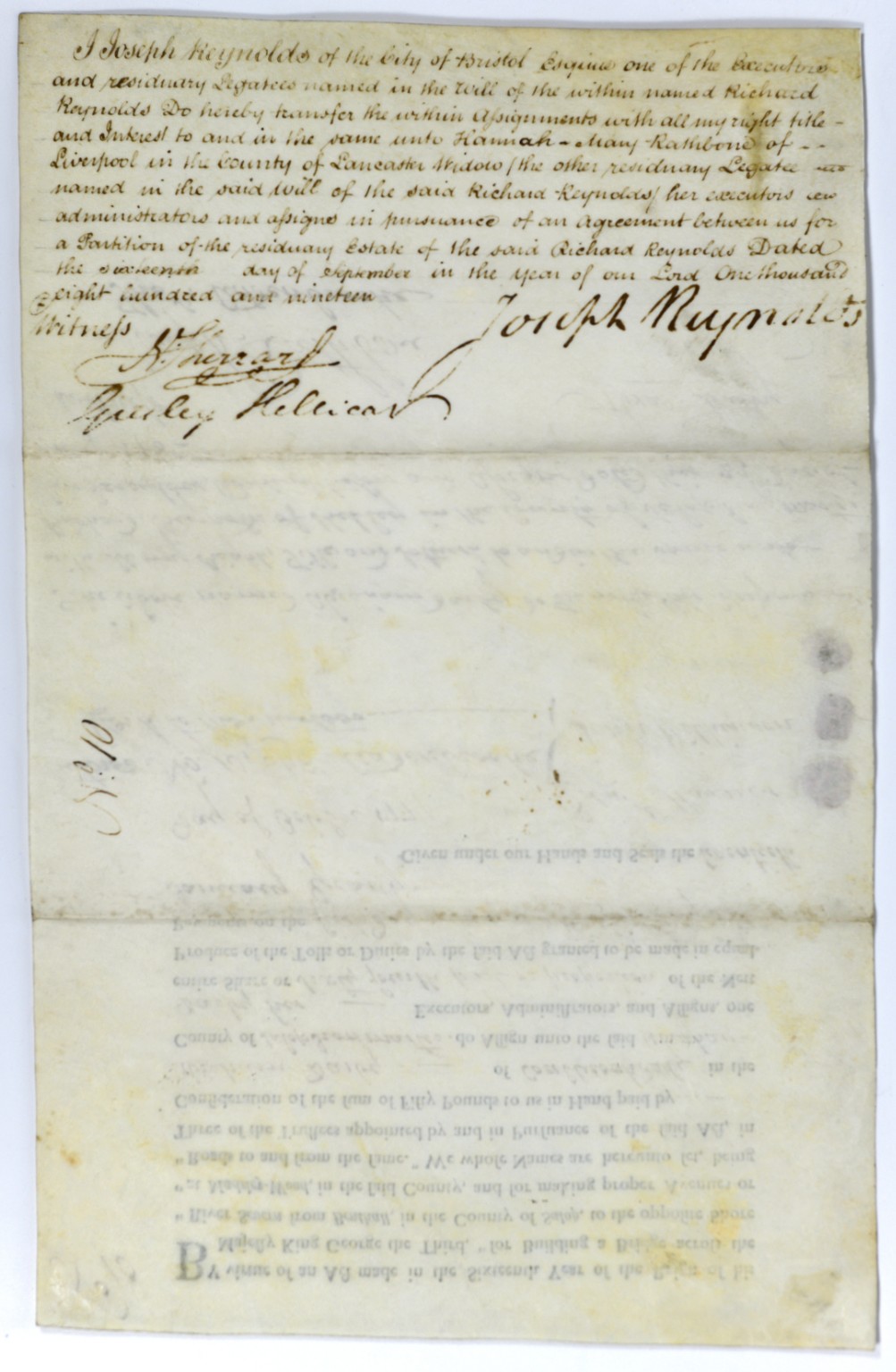
Iron Bridge Share Certificate No. 10, issued to Abraham Darby, 20 October 1777
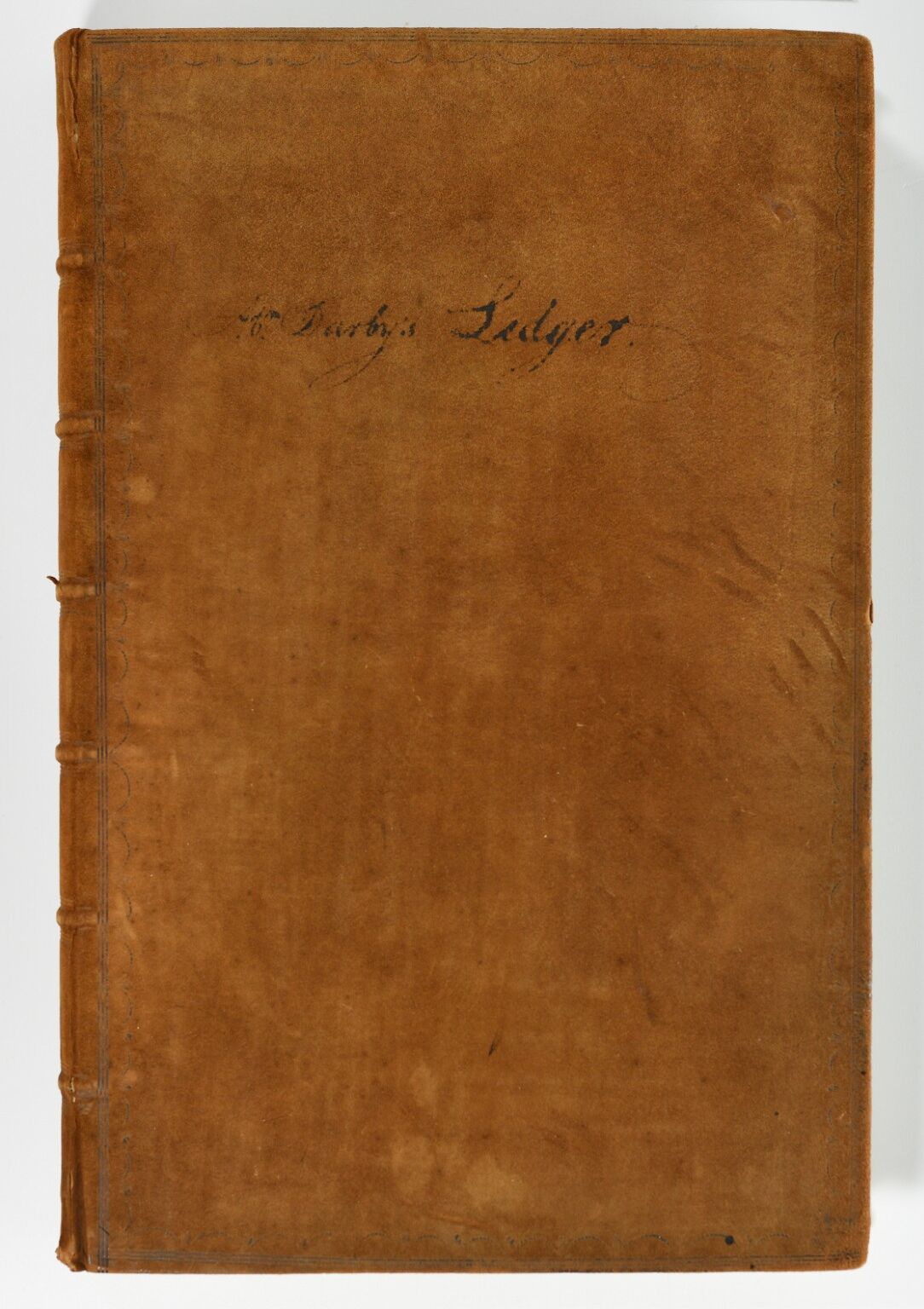
Abraham Darby III Ledger, 1771-1781