UK Living Heritage Inventory

The UK Living Heritage Inventory is the new national platform for identifying and recognising the cultural practices, traditions, skills and knowledge that communities across the United Kingdom continue to pass from generation to generation.

Hosted by the UK National Commission for UNESCO (UKNC) on behalf of DCMS and the Devolved Governments (N.Ireland, Scotland and Wales), the inventory forms a core part of the UK’s implementation of UNESCO’s 2003 Convention for the Safeguarding of the Intangible Cultural Heritage.

A new national conversation about living culture

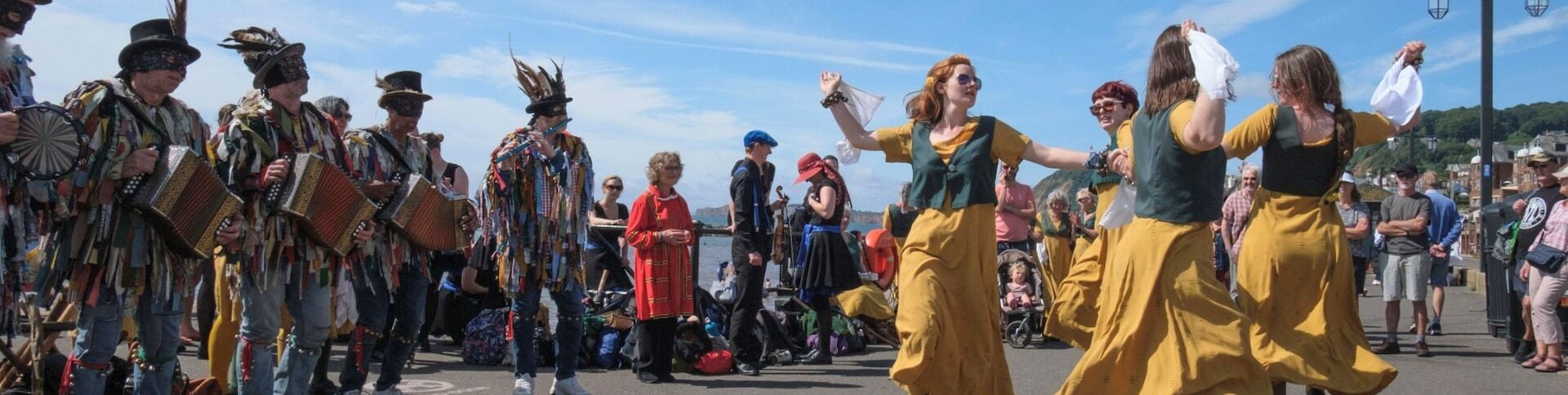
In 2024, the United Kingdom ratified UNESCO’s 2003 Convention for the Safeguarding of the Intangible Cultural Heritage, joining an international movement to recognise and safeguard the everyday cultural practices that help shape identity, belonging and cohesion. These forms of “intangible cultural heritage” – or living heritage – include everything from oral traditions, social practices and seasonal customs, to craftsmanship, knowledge of nature, performing arts, games and culinary practices.

Living heritage reflects how communities understand themselves, how knowledge is shared and passed on, and how cultural life evolves and adapts across generations.

You can explore entries from across the four nations - and find out how to submit your own living heritage practice - on the dedicated platform:
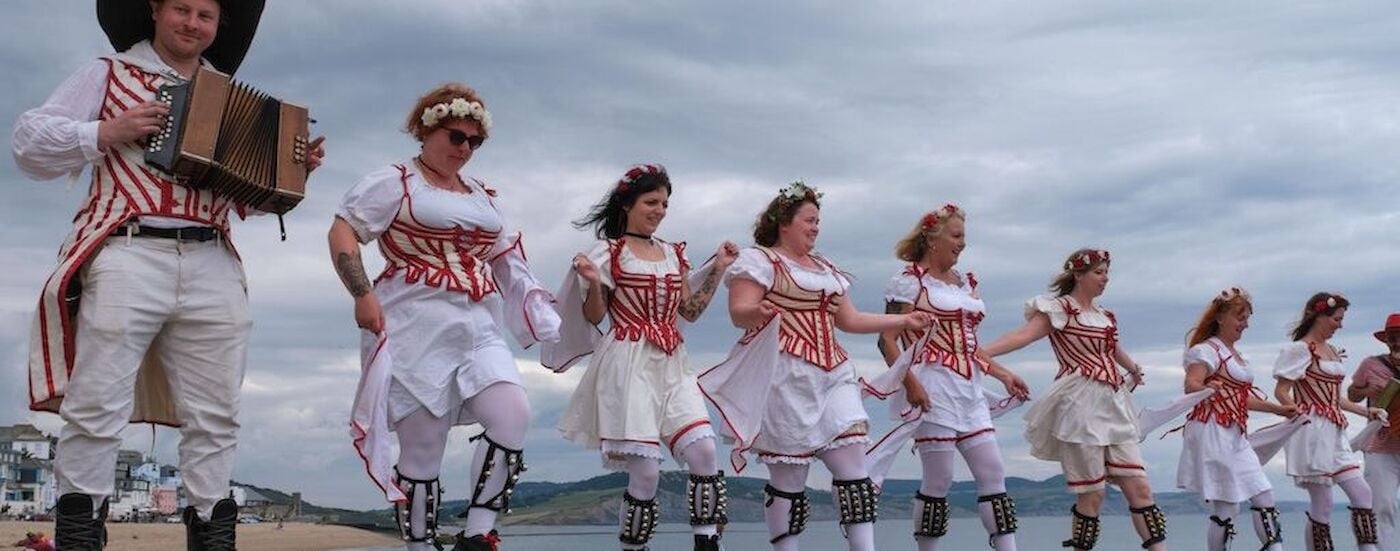
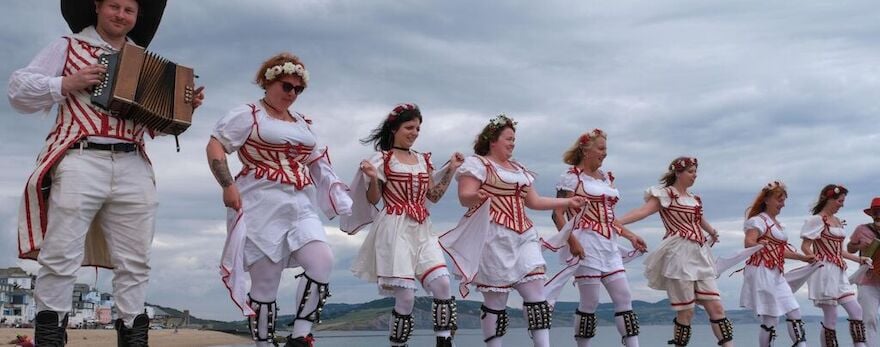
  • As part of its commitment to UNESCO, the UK, working across all four nations, is establishing living heritage inventories. These inventories:

    • help communities identify and describe their living heritage
    • raise awareness of the breadth of practices across the UK
    • support conversations about safeguarding and future viability
    • strengthen connections between practitioners, researchers, cultural organisations and policymakers

    The inventories are community-led, inclusive, and will grow through regular open calls. They do not assess importance, rank practices or confer special status. Instead, they form a shared foundation for safeguarding living heritage in a meaningful, bottom-up way.

  • As the UK Government’s UNESCO-funded advisory body or National Commission, the UKNC supports all UK Government departments in delivering their UNESCO commitments. At the request of DCMS, and with the agreement of the Devolved Governments, the UKNC is hosting the UK Living Heritage Inventories.

    Our role ensures that the inventories:

    • remain aligned with UNESCO’s international standards and terminology
    • reflect the devolved nature of cultural policy across the four nations
    • are connected to the wider UNESCO family in the UK — from Biospheres and Geoparks to Creative Cities, education networks and UNESCO Chairs
    • sit within a neutral UK-wide coordination space

    This reflects UKNC’s longstanding role in convening expertise, supporting cultural policy delivery, and providing a bridge between UK practice and UNESCO’s global framework.

  • The UK’s approach reflects both the UNESCO Convention and the devolved structure of cultural policy:

    • Four national inventories: England, Scotland, Wales and Northern Ireland
    • One UK-wide platform, hosted by UKNC
    • Regular open calls for submissions
    • Community-led entries demonstrating free, prior and informed consent
    • Panels in each nation to check entries meet the agreed criteria
    • Biennial updates to ensure practices remain living and community-supported

    Full guidance, criteria and ethical principles – covering human rights, sustainability, community consent and respect for nature – are set out in DCMS’s published framework

  • UNESCO defines living heritage as:

    “the practices, expressions, knowledge and skills that communities recognise as part of their cultural heritage, transmitted from generation to generation and constantly recreated in response to their environment.”

    In the UK, entries may fall into one or more of seven categories:

    • Oral Expressions
    • Performing Arts
    • Social Practices
    • Nature, Land and Spirituality
    • Crafts
    • Sports and Games
    • Culinary Practices

    Practices must be living, practised by a community, passed on across generations, and compatible with international human rights standards.

  • They are:

    • a living, growing community-led record
    • a foundation for safeguarding and future support
    • a space for recognition, visibility and knowledge-sharing
    • part of the UK’s global engagement through UNESCO

    They are not:

    • a list of “approved” heritage
    • an archive, encyclopaedia or mapping tool
    • a funding mechanism
    • the same as UNESCO’s international Representative Lists

    The UK will initially focus on strong domestic inventories before considering submissions to UNESCO’s international lists.

Supported By
UNESCO in the UK Logo
This website was produced by the UK National Commission for UNESCO as part of its Local to Global programme, made possible with The National Lottery Heritage Fund, thanks to National Lottery players.