Vindolanda Climate Resilience and AI Pilot
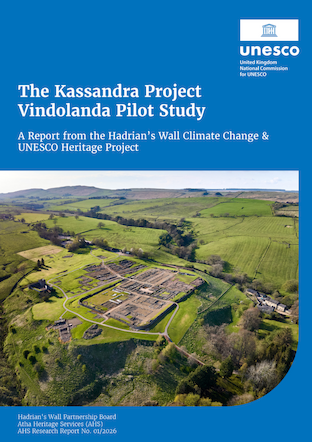
The Vindolanda Climate Resilience and AI Pilot explores how artificial intelligence, environmental monitoring and climate modelling can support the protection of archaeological heritage threatened by climate change.
Developed through a partnership between the Vindolanda Trust, the Kassandra Project and the UK National Commission for UNESCO, the initiative seeks to transform large volumes of environmental data into practical insights that help archaeologists understand what is happening beneath the ground and anticipate future risks.
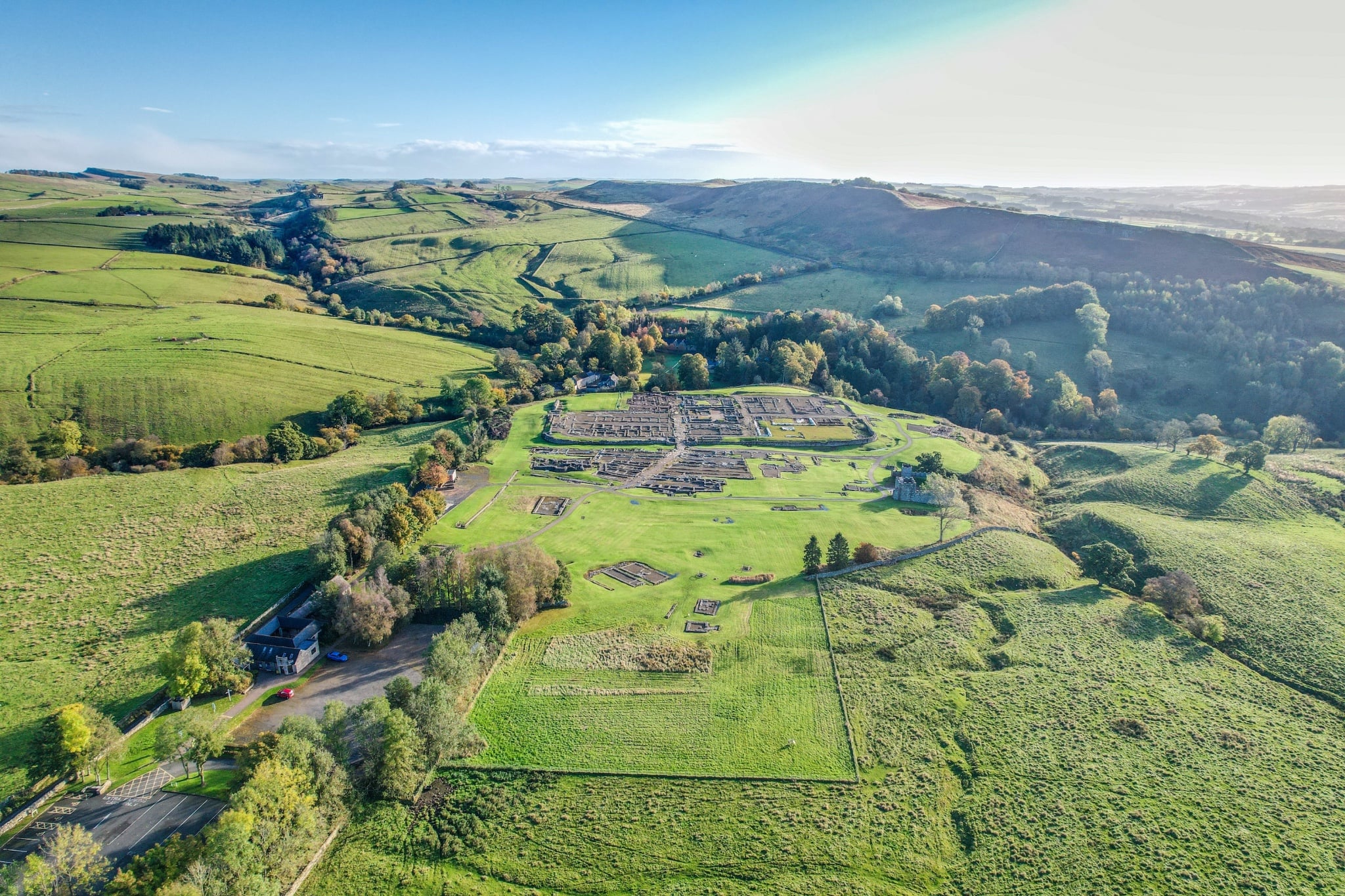
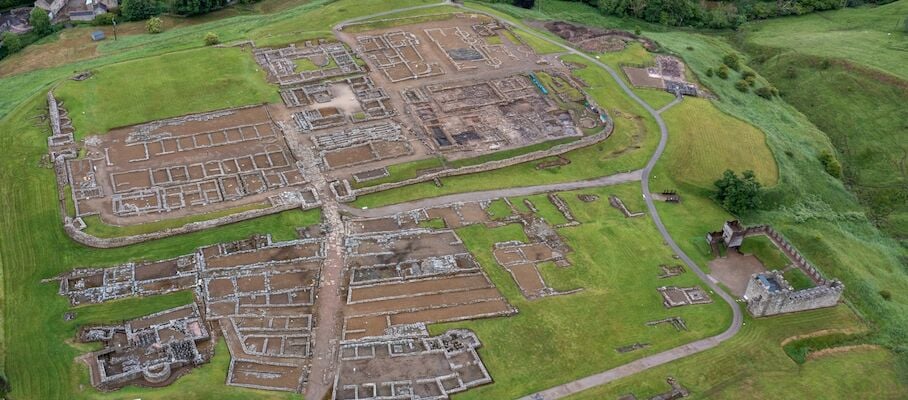
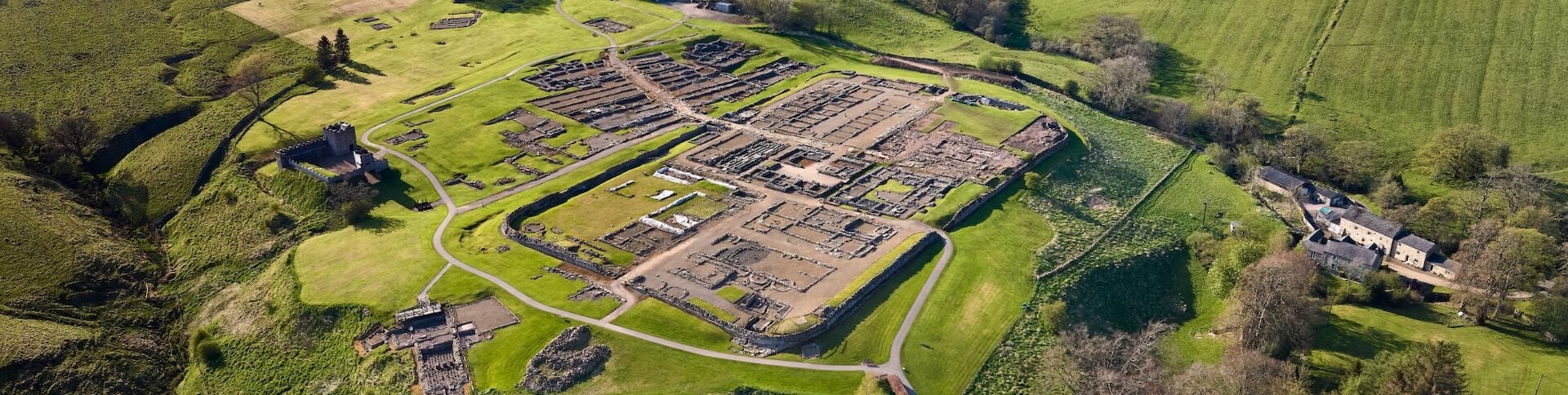
Vindolanda Roman Fort, located on Hadrian’s Wall UNESCO World Heritage Site in Northumberland, is internationally renowned for the exceptional preservation of Roman artefacts within its waterlogged soils. Organic materials such as leather shoes, wooden writing tablets and everyday objects have survived for nearly two thousand years due to the stable, oxygen-free conditions beneath the site.
However, changing climatic conditions – including increasing cycles of drought, flooding and soil instability – now threaten these fragile burial environments. With only a fraction of the site excavated, understanding where archaeological deposits may be deteriorating has become an urgent challenge.
A new approach to climate risk in archaeology
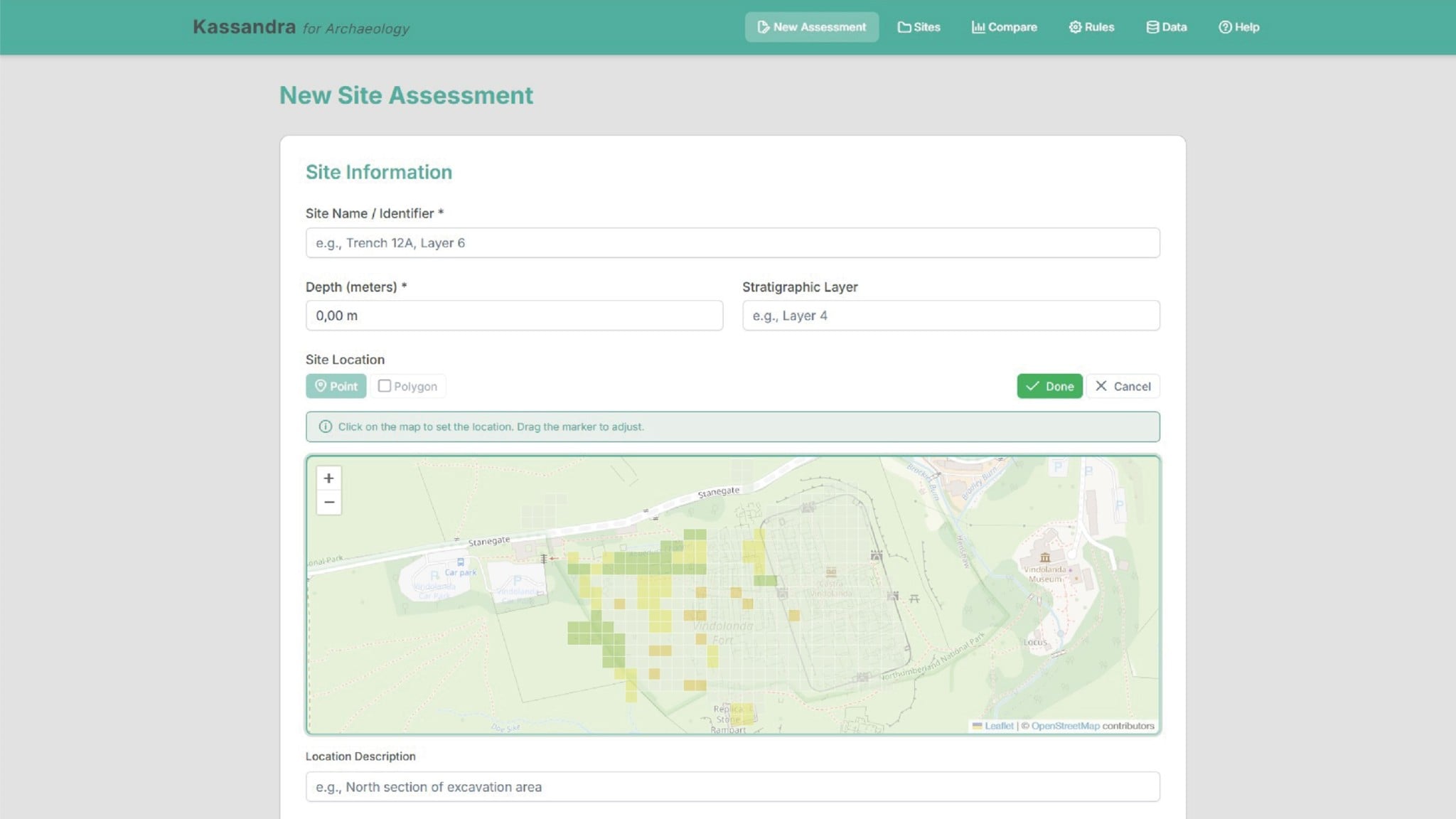
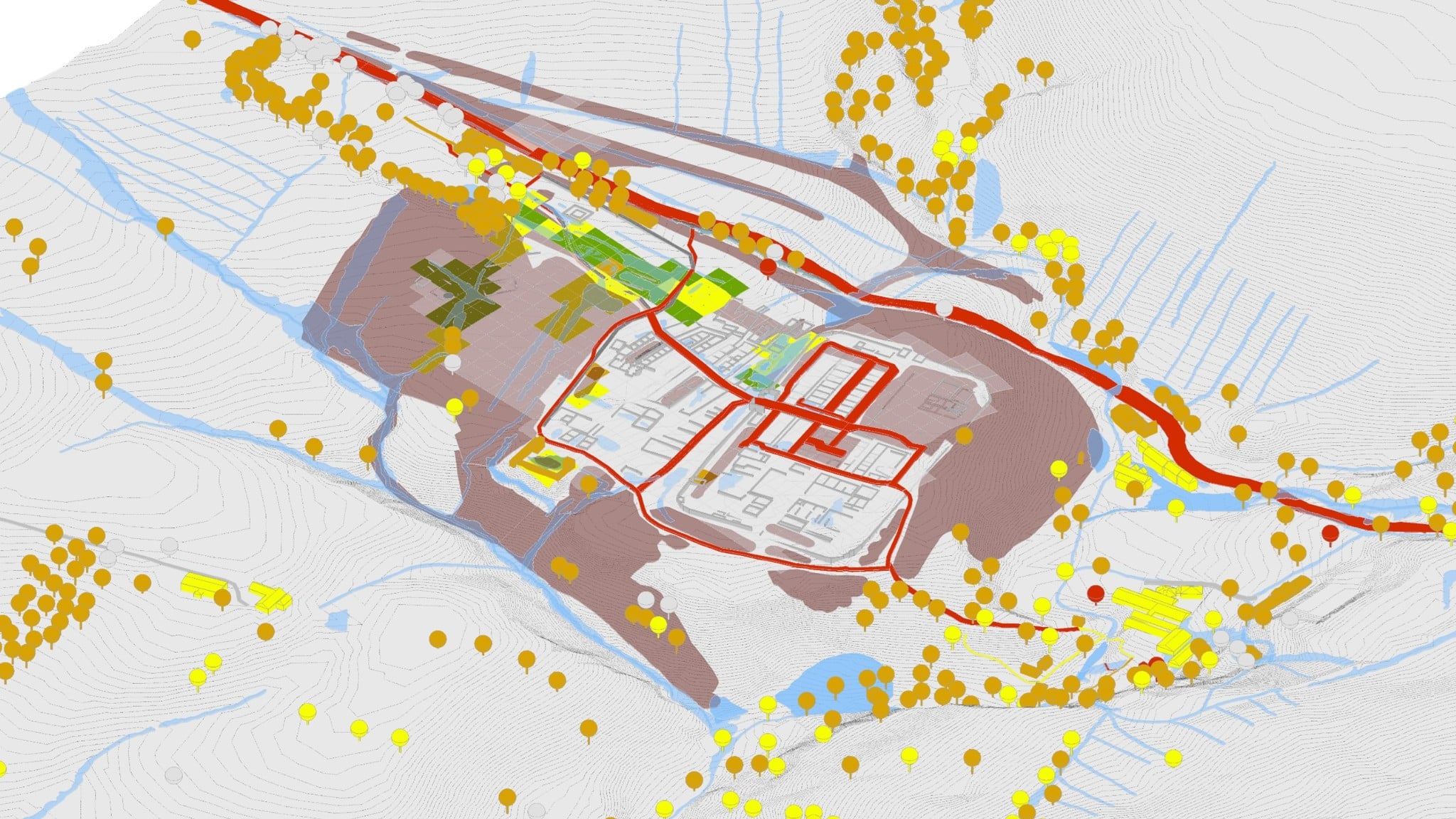
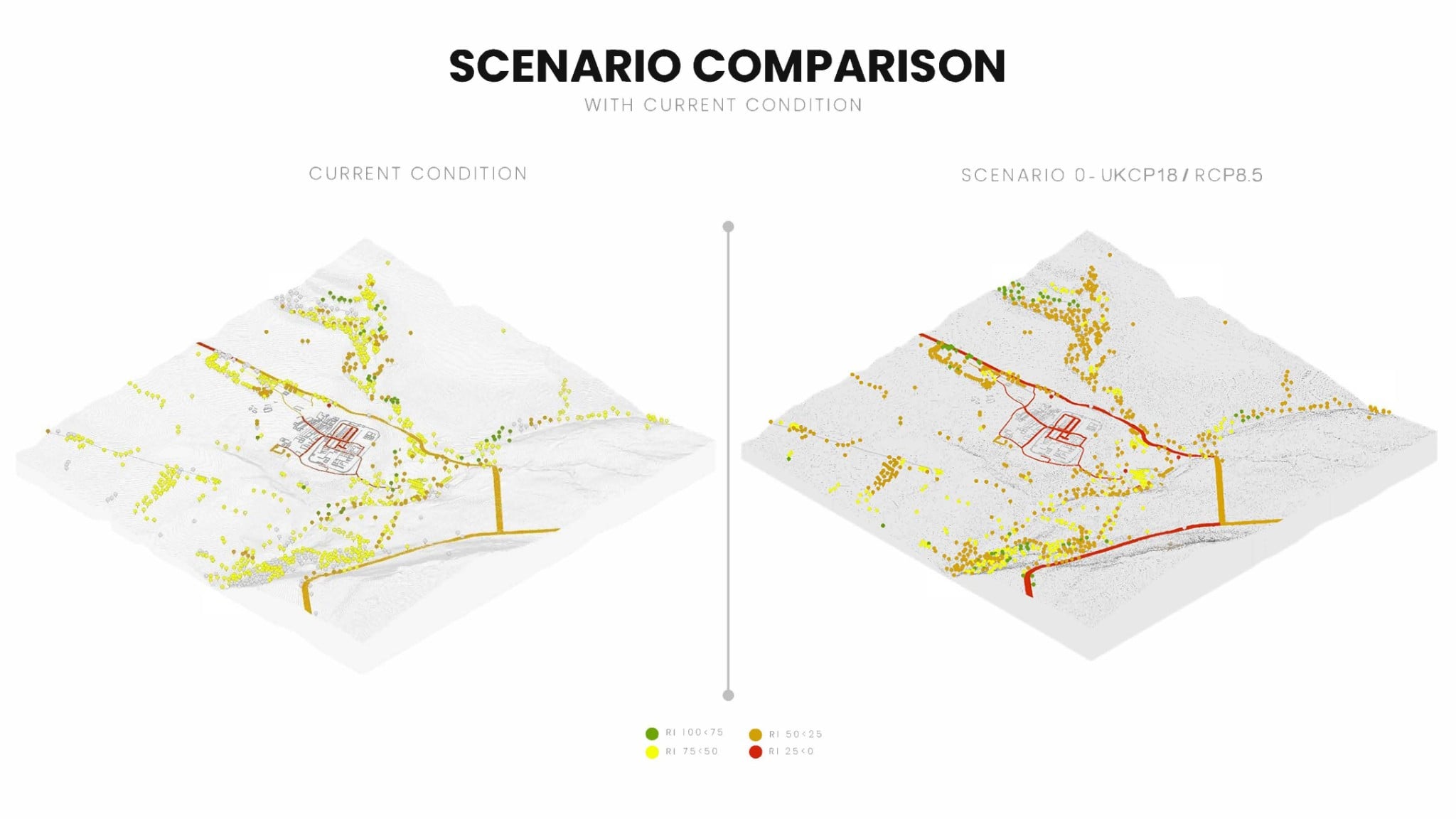
The pilot tests how a digital modelling platform developed by the Kassandra Project can support archaeological conservation planning. Using a digital twin of the site, the system integrates multiple datasets, including environmental monitoring probes, hydrological modelling, climate projections and archaeological information. These data are analysed together to generate spatial risk maps and resilience indicators for the site.
This approach allows heritage managers to:
- identify archaeological layers most vulnerable to environmental change
- understand how soil and groundwater conditions may evolve under future climate scenarios
- test different management responses before implementing them on site
- prioritise excavation and conservation resources where risks are greatest
By combining monitoring systems with predictive modelling, the pilot demonstrates how archaeological management can move from reactive conservation towards proactive and anticipatory decision-making.
From site pilot to landscape resilience
The Vindolanda study represents an early demonstration of how digital tools and environmental data can support climate adaptation within archaeological landscapes.
The work builds on the Climate Change and UNESCO Heritage (CCUH) programme, led by the UK National Commission for UNESCO and the Department for Culture, Media and Sport, which has brought together multiple environmental and heritage datasets across the Hadrian’s Wall UNESCO World Heritage Site. These include climate projections, LiDAR mapping, hydrological modelling and on-site environmental monitoring.
By connecting these data sources with new modelling tools, the project begins to explore how integrated information systems could support long-term resilience planning across the wider Hadrian’s Wall corridor.
Supporting the UNESCO Climate Action and Sustainability Framework
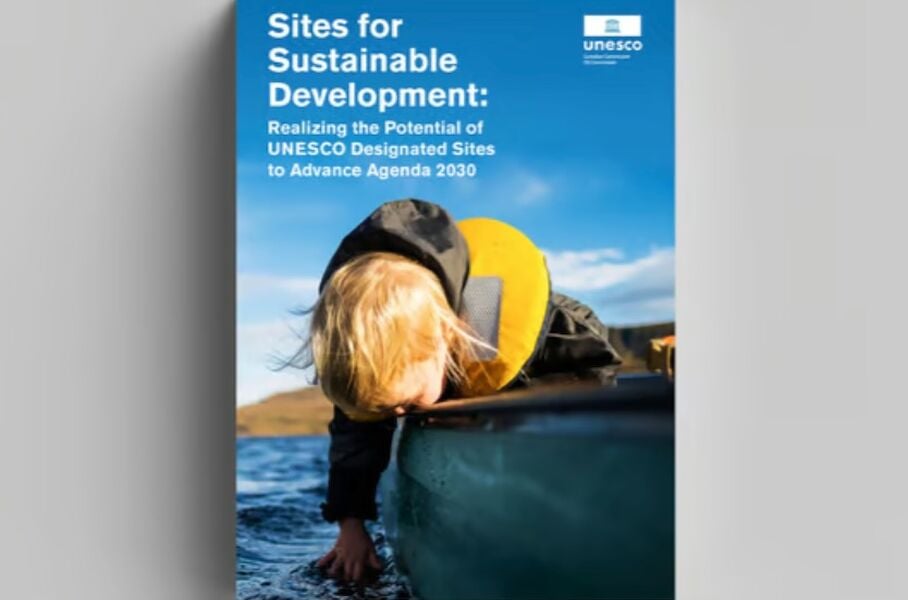
The Vindolanda pilot also represents an early practical response to the UNESCO Climate Action and Sustainability Framework, developed by the UK National Commission for UNESCO through the CCUH programme.
The Framework sets out how UNESCO-designated sites – including Biosphere Reserves, Global Geoparks and World Heritage Sites – can function as living laboratories for climate resilience, sustainability and integrated research. These places combine long-standing partnerships, strong governance, scientific data and deep community connections, creating unique environments for testing new approaches to complex environmental challenges.
By combining environmental monitoring, climate modelling and artificial intelligence within a single analytical framework, the Vindolanda pilot demonstrates how UNESCO sites can serve as testbeds for place-based innovation and collaborative research.
Insights from the project will contribute to the wider UNESCO Climate Action and Sustainability Research Agenda, which calls for improved data integration, participatory research approaches and new tools for understanding interconnected social, cultural and environmental systems.
Ethical and relational uses of artificial intelligence
The project also aligns with UNESCO’s global leadership on the UNESCO Recommendation on the Ethics of Artificial Intelligence, which encourages the responsible use of emerging technologies to support human decision-making and collective wellbeing. At Vindolanda, AI is not used to replace archaeological expertise but to help interpret complex environmental data and present it in accessible ways for researchers, site managers and local partners.
By translating multiple datasets into intuitive visualisations and scenario modelling, the system helps stakeholders explore how climate pressures may affect archaeological deposits over time and consider different management responses.
This reflects a broader shift towards more relational ways of understanding heritage landscapes, where environmental processes, cultural values, technological tools and community knowledge are understood as interconnected parts of a wider system.
Towards climate-adaptive heritage management
As climate change accelerates across the world’s cultural landscapes, new approaches are needed to understand how environmental change affects buried heritage and archaeological sites.
The Vindolanda pilot demonstrates how combining place-based monitoring, digital modelling and collaborative partnerships can help heritage organisations anticipate risk and plan more effectively for the future. By bringing together archaeology, climate science and emerging digital tools, the project offers an early example of how UNESCO World Heritage Sites can experiment with innovative approaches to safeguarding heritage while contributing to wider international learning on climate adaptation and sustainability.
Insights from the pilot will inform future work across the Hadrian’s Wall World Heritage Site and contribute to ongoing international discussions on the role of technology, data and place-based research in protecting cultural heritage under climate change.